


















Mogę się ujawnić wiekowo, ale nie mogę być jedyną osobą, która z sentymentem wspomina The Jetsons — futurystyczną kreskówkę z latającymi samochodami, robotycznymi gosposiami i, oczywiście, Astrem, mówiącym psem. Pamiętam, jak byłem zachwycony ich światem przyszłości, zwłaszcza myślą, że pewnego dnia naprawdę tak będziemy żyć. Jeśli wiesz, o co mi chodzi — albo jeśli kiedykolwiek urzekła cię jakaś fantastyczna wizja jutra — ta lista może być dla ciebie.
Zebraliśmy niektóre z najciekawszych wpisów z r/RetroFuturism, obejmujących dekady wizji tego, co przyniesie przyszłość. Niektóre były znacznie bliższe rzeczywistości, niż byś się spodziewał, inne przypominają, że przyszłość rzadko nadchodzi tak, jak ją sobie wyobrażaliśmy (niestety, wciąż czekam na mówiące psy). Tak czy inaczej, to fascynująca mieszanka nostalgii i wyobraźni.
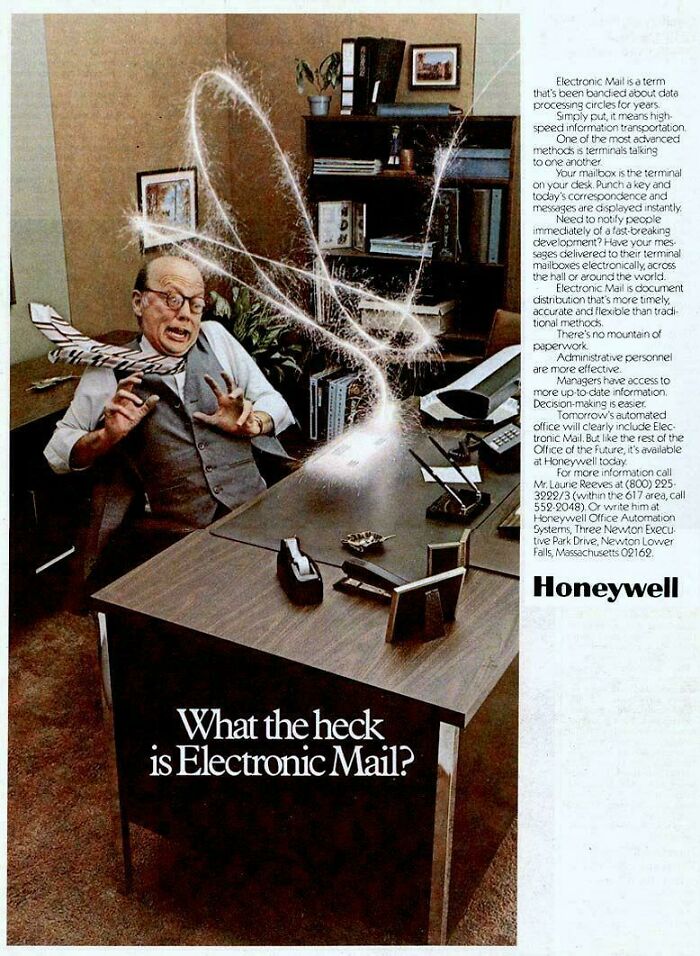
#1 „Co to do diabła jest poczta elektroniczna?” — reklama Honeywell dotycząca e-maili, 1981
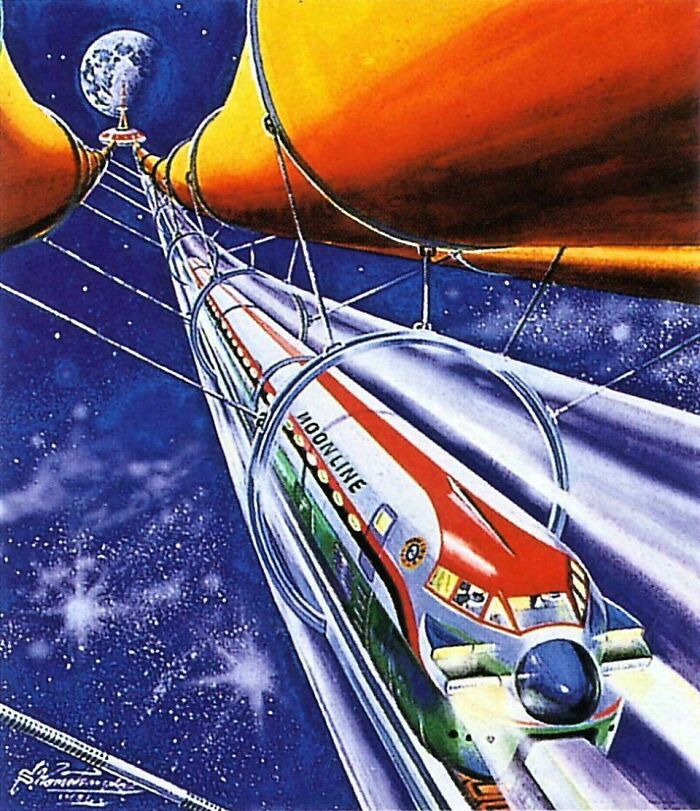
#2 „Pociąg kosmiczny” — Shigeru Komatsuzaki, 1981
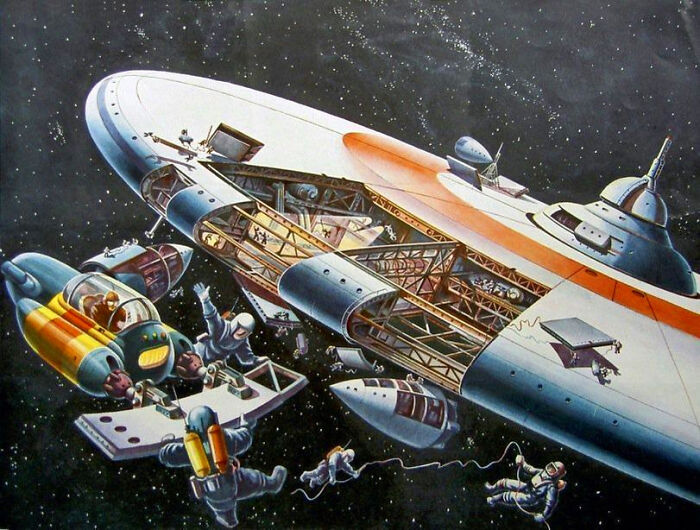
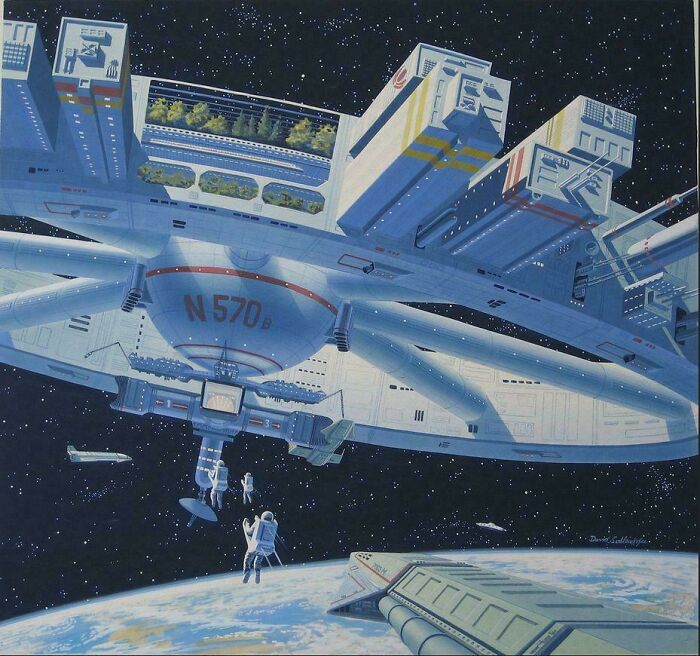
#3 Stacja kosmiczna w budowie — Klaus Bürgle, ok. 1963
Retrofuturyzm polega zasadniczo na patrzeniu na przyszłość oczami przeszłości. W The Oxford Handbook of Science Fiction Elizabeth Guffey i Kate C. Lemay opisują go jako „ambiwalentne zafascynowanie przyszłością, która nigdy nie nadeszła”.
Subreddit r/RetroFuturism, założony w 2009 roku, określa się jako społeczność skupiona na „futurystycznych wizjach minionych epok”. Zwraca też uwagę, że posty „mogą zawierać współczesną sztukę o retrospektywistycznym charakterze”. I w tym rzecz: retrofuturyzm patrzy w obie strony. Nie ogranicza się tylko do wizji stworzonych w przeszłości — BBC opisuje go jako łączenie „dwóch nakładających się trendów: przyszłości widzianej z perspektywy przeszłości i przeszłości widzianej z perspektywy przyszłości”.
#4 Pojazdy przyszłości — magazyn Shonen Club, 1936

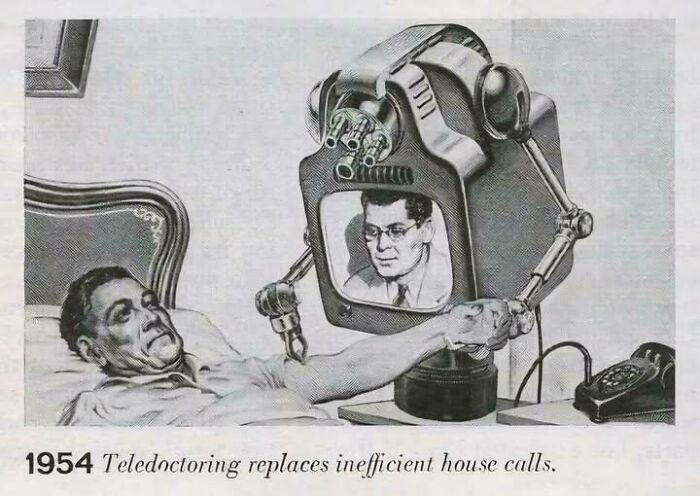
#5 Koncepcja „teledoktoringu” — Science And Invention In Pictures Magazine, 1954
#6 „Stacja kosmiczna” — Angus McKie, 1978
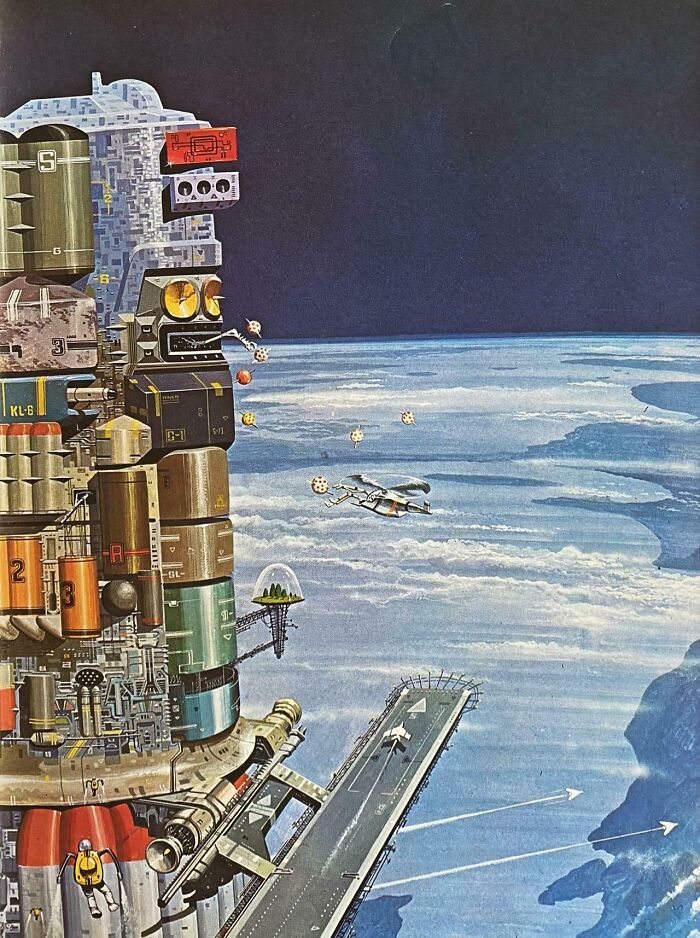
Termin „retrofuturyzm”, wyjaśniają Guffey i Lemay, został ukuty w latach 80., ale często kojarzy się z wizjami przyszłości pojawiającymi się na przełomie i w połowie XX wieku. Był to okres przemian — gwałtownego wzrostu przemysłowego, konfliktów globalnych i szybkich zmian technologicznych. Biorąc pod uwagę np. wielki kryzys lat 30. i II wojnę światową, nie dziwi, że wtedy „idee przyszłości zaczęły kierować się ku niebu i przestrzeni kosmicznej”.
Reklama
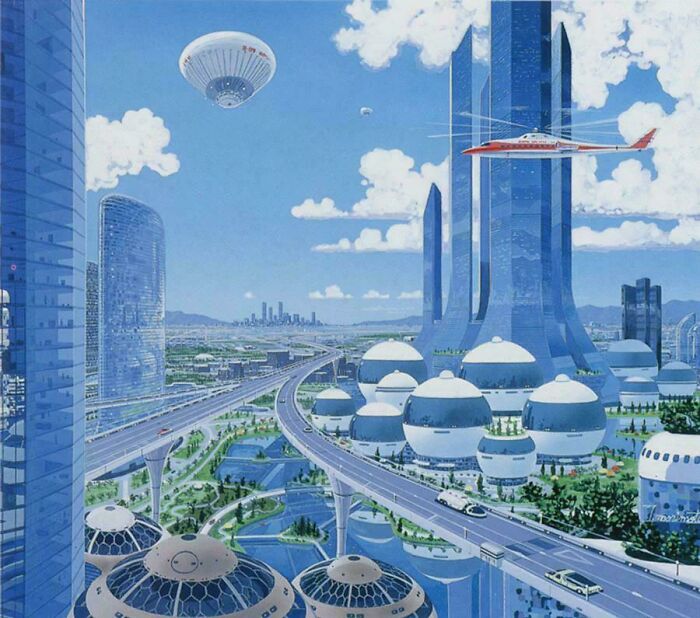
#7 „Japońska utopia” („Idealne miasto przyszłości”) — Tatsushi Morimoto, 1984
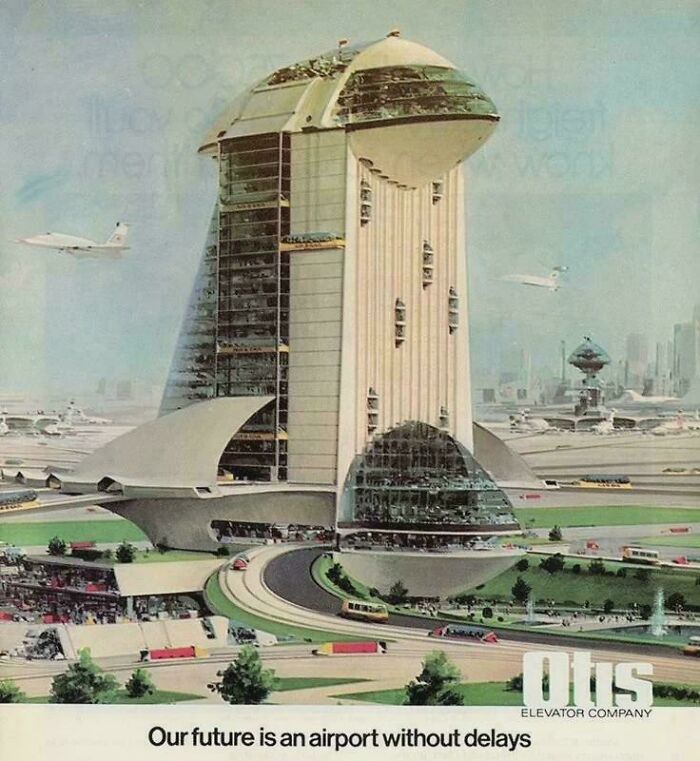
#8 Reklama Otis Elevator Co., 1975 — John Berkey
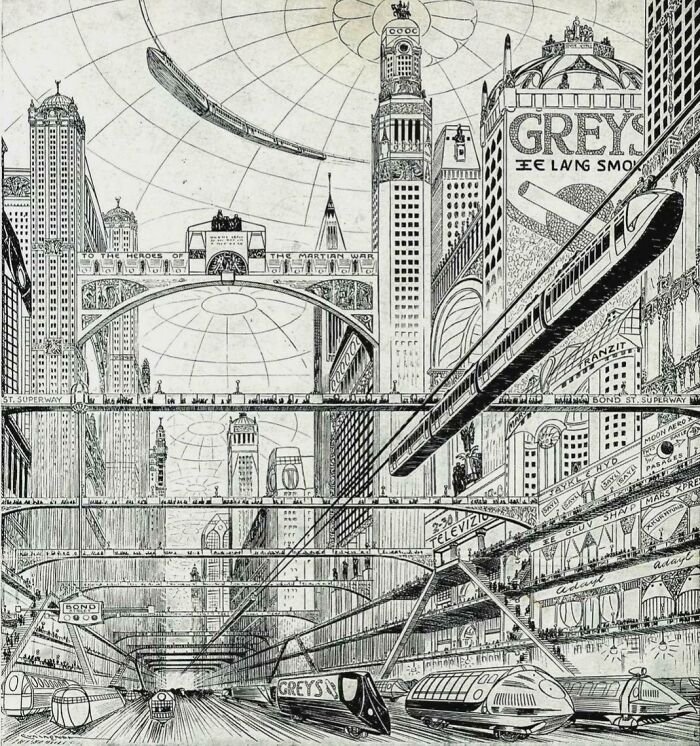
#9 „Londyn w roku 2500” — reklama z lat 20. XX wieku
Retrofuturyzm pokazuje nie tylko to, co ludzie z wcześniejszych epok wyobrażali sobie jako przyszłość, ale także dużo mówi o ich teraźniejszości. Każde pokolenie nieuchronnie wyobraża przyszłość z perspektywy własnego „tu i teraz”. Technologia, którą znali, wygląd miast, tematy, które ich ekscytowały, a nawet problemy, które mieli nadzieję rozwiązać — wszystko to wpływało na wyobrażenia o przyszłości. Dlatego wizja przyszłości z lat 30. może wyglądać zupełnie inaczej niż ta stworzona kilkadziesiąt lat później.
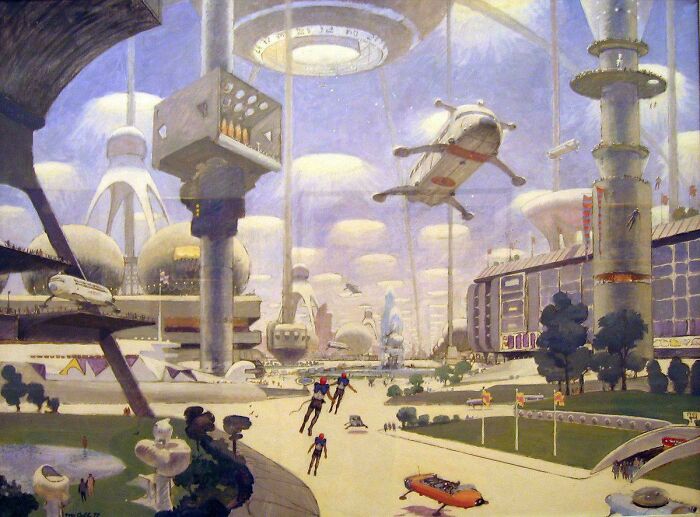
#10 Podpowierzchniowa kolonia księżycowa — Robert McCall, ok. 1977
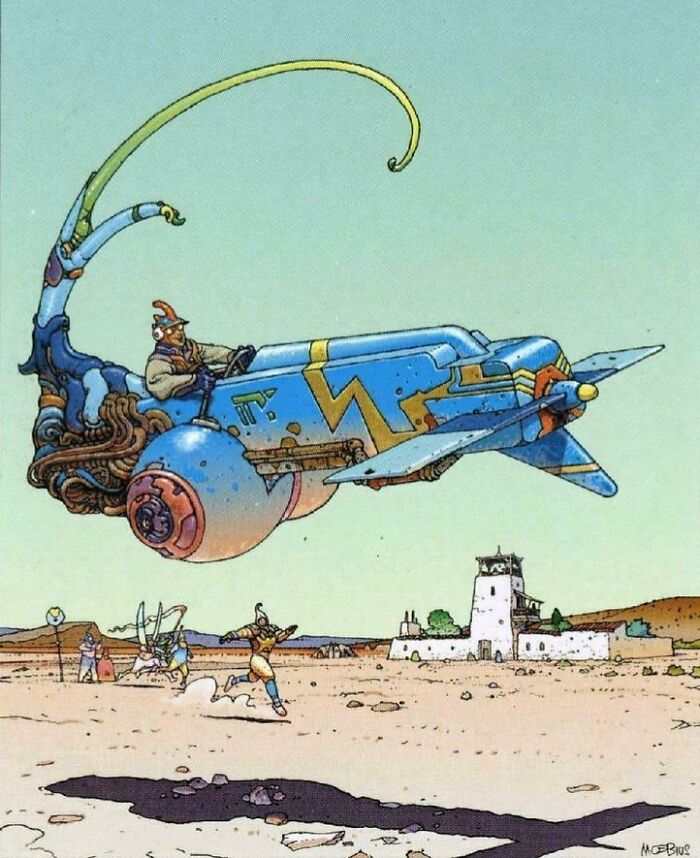
#11 Jean Giraud znany jako Moebius (Francja, 1938–2012) — Starwatcher
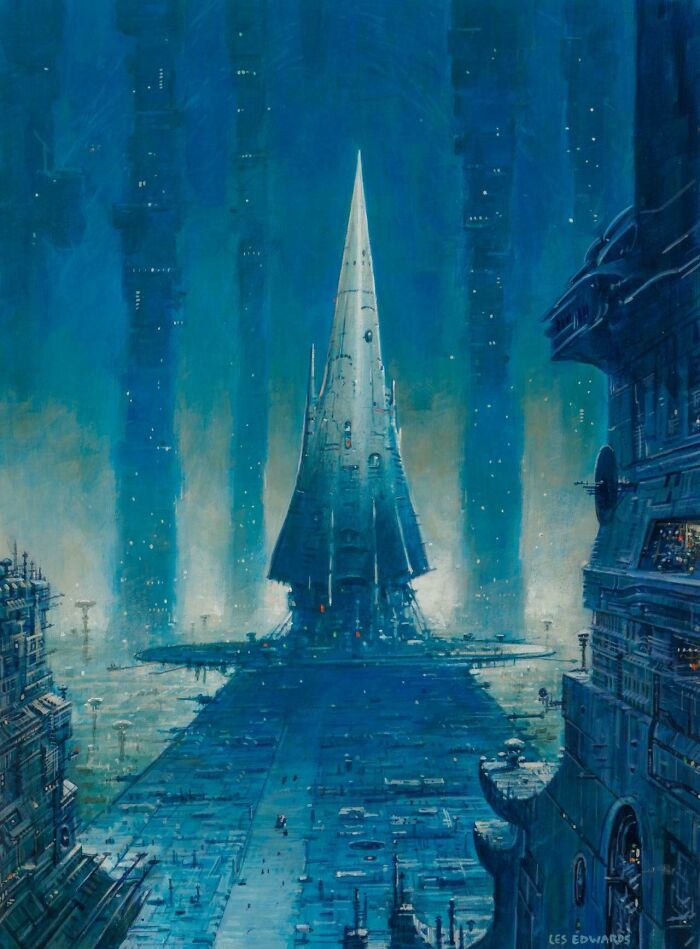
#12 Les Edwards (ur. 1949, Wielka Brytania) — „Night Flight”
Technologia przedstawiona na obrazach — jak robotyczne gosposie czy osobiste plecaki odrzutowe — to tylko część tego, co czyni te wizje charakterystycznymi. Sposób prezentacji był silnie ukształtowany przez epokę: futurystyczne budynki, pojazdy, gadżety, ubrania, a nawet elementy estetyczne jak typografia i kolory czerpały z ówczesnych trendów, tworząc niepowtarzalne połączenie znanego i fantastycznego, które dziś kojarzymy z retrofuturyzmem.
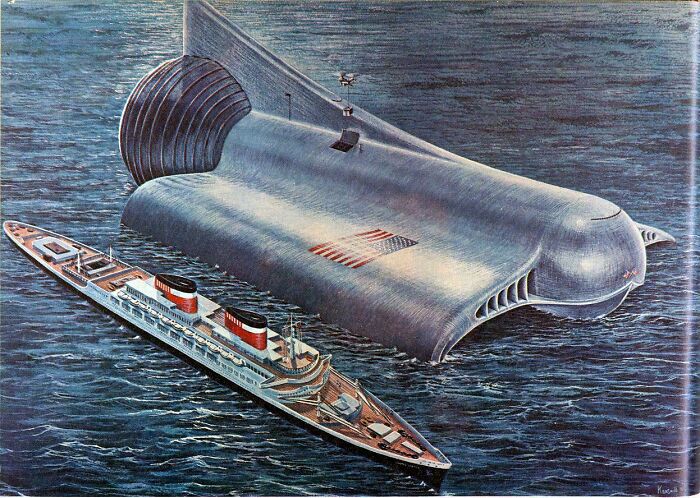
#13 Aldebaran Nuclear Pulse Jet / koncepcja SSTO Spaceplane — Dandridge Cole. Ilustracja: Roy Kerswill, 1965
#14 „Buergle Verkehr 1969” — Klaus Bürgle
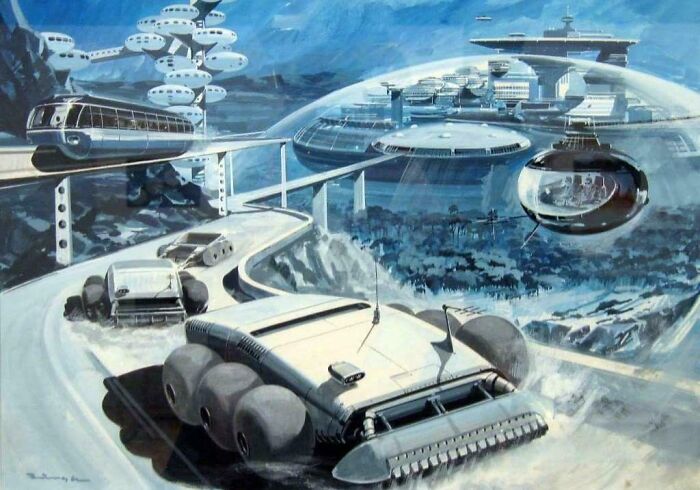
#15 „Odloty jutra” — reklamy New Departure Ball Bearings, 1955
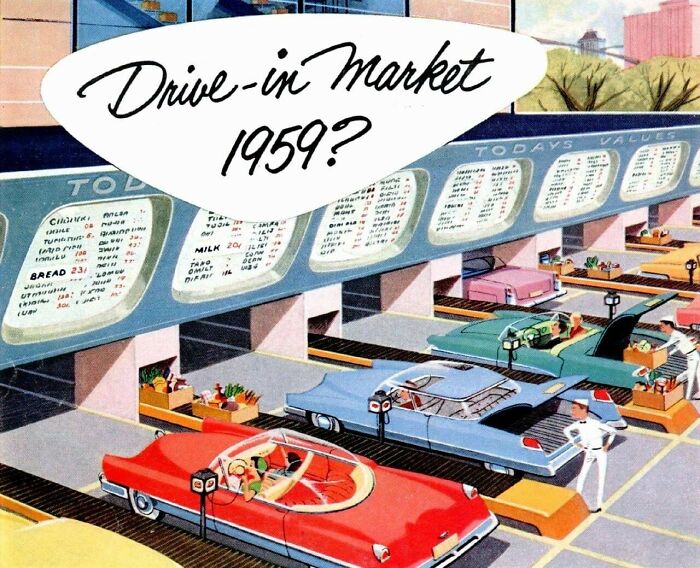
To także kolejny powód, dla którego warto dziś oglądać te obrazy. Jak mówi jedno źródło, retrofuturyzm „stawia wczorajsze rakiety, opływowe miasta, świecące konsole, syntetyczne ubrania i optymizm maszyn obok wiedzy o tym, co faktycznie się wydarzyło”. Mamy lukę poznawczą — wiemy, jak potoczyła się historia. Niektóre wizje były zaskakująco trafne — wideorozmowy, komputery osobiste, loty kosmiczne, automatyzacja domów. Inne wciąż pozostają poza naszym zasięgiem — nie zbudowaliśmy miast na Księżycu ani nie zapełniliśmy nieba latającymi samochodami.
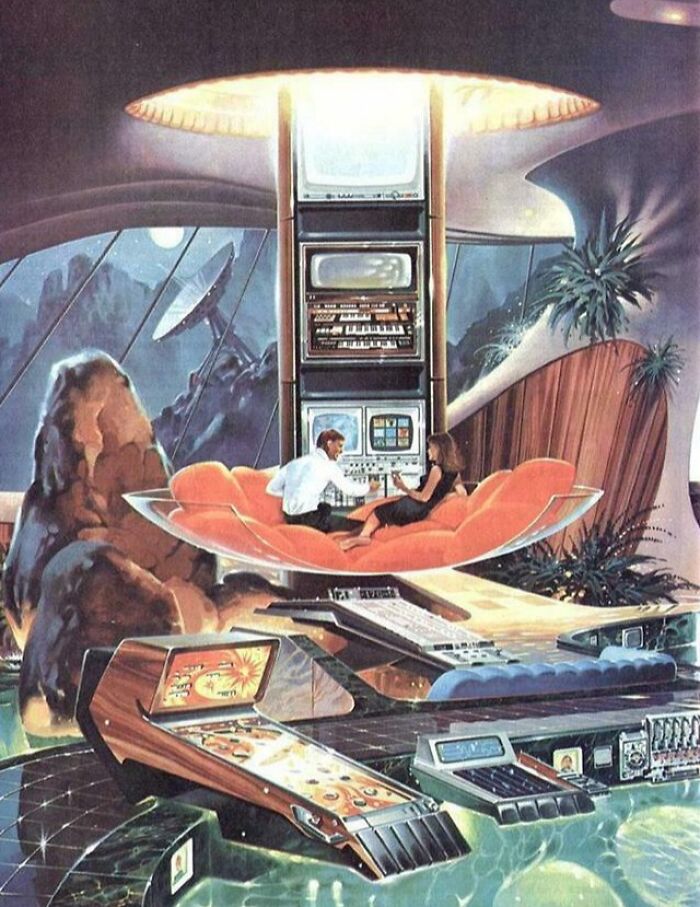
#16 Pokój do gier na bazie księżycowej — Paul Alexander, 1960
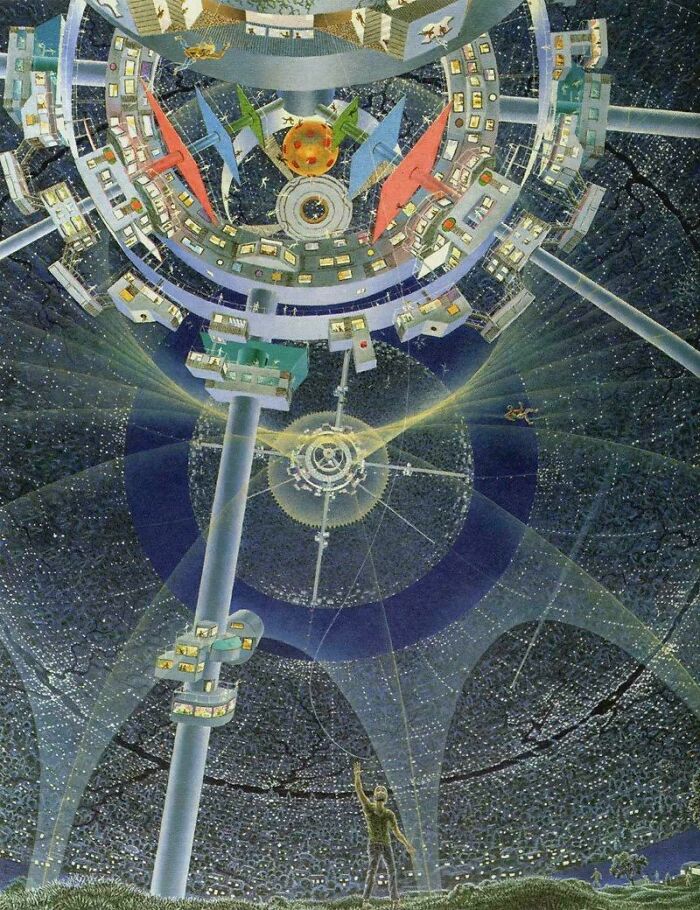
#17 Koncepcyjne wizje kolonii kosmicznej dla NASA — połowa lat 70.
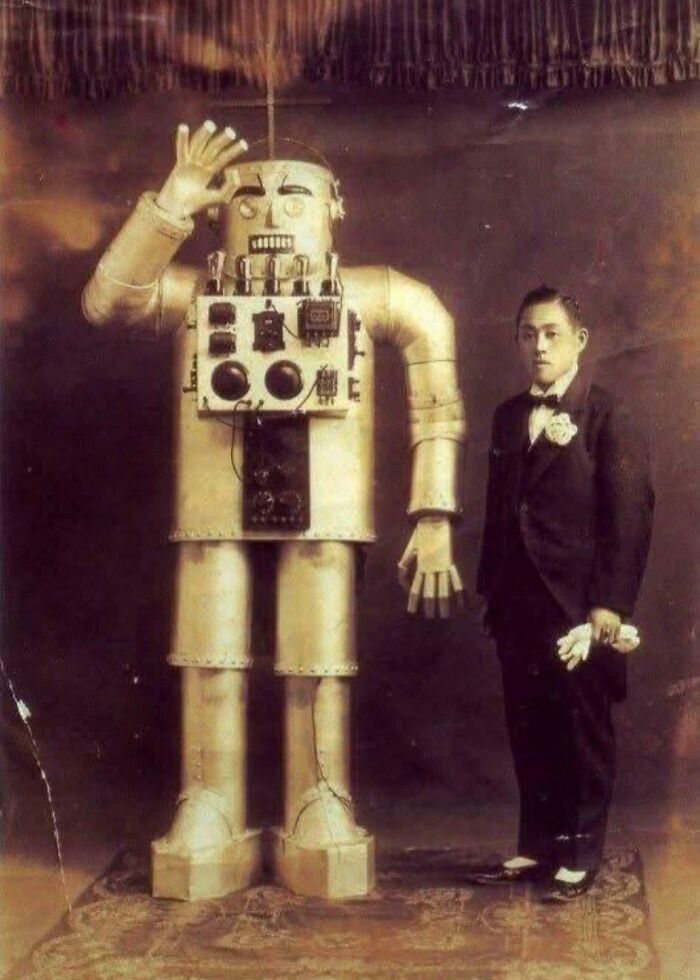
#18 Yasutaro Mitsui ze swoim stalowym humanoidalnym robotem — Tokio, Japonia, 1932
Jak podaje BBC: „To w szczelinie między tymi wielkimi wizjami a rzeczywistością retrofuturyzm istnieje w sposób grywalny”. W tej przestrzeni pojawia się ambiwalencja, o której wspominały Guffey i Lemay — „emocjonalne i wizualne tarcie między obiecaną jutrami a teraźniejszością, która je odziedziczyła”. Możemy podziwiać pewność i optymizm tych wizji, a jednocześnie znać rzeczywistość, włącznie z założeniami, ślepymi zaułkami i niezamierzonymi konsekwencjami, które im towarzyszyły.
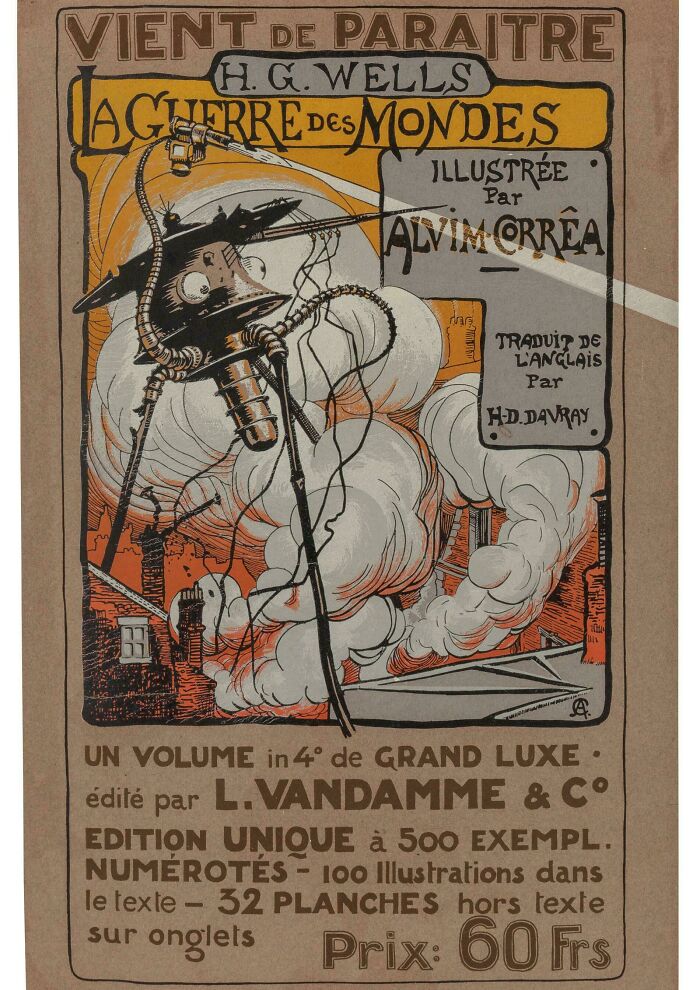
#19 Plakat reklamowy „Wojny światów” z Brazylii, 1906 — artysta: Henrique Alvim Corrêa
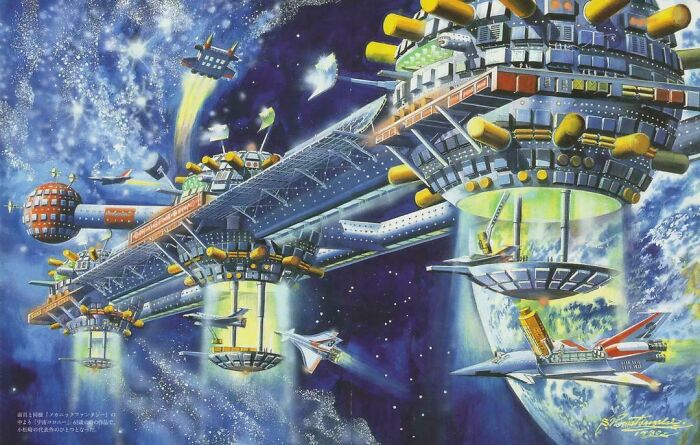
#20 „Space Colony II” — Shigeru Komatsuzaki, 1980
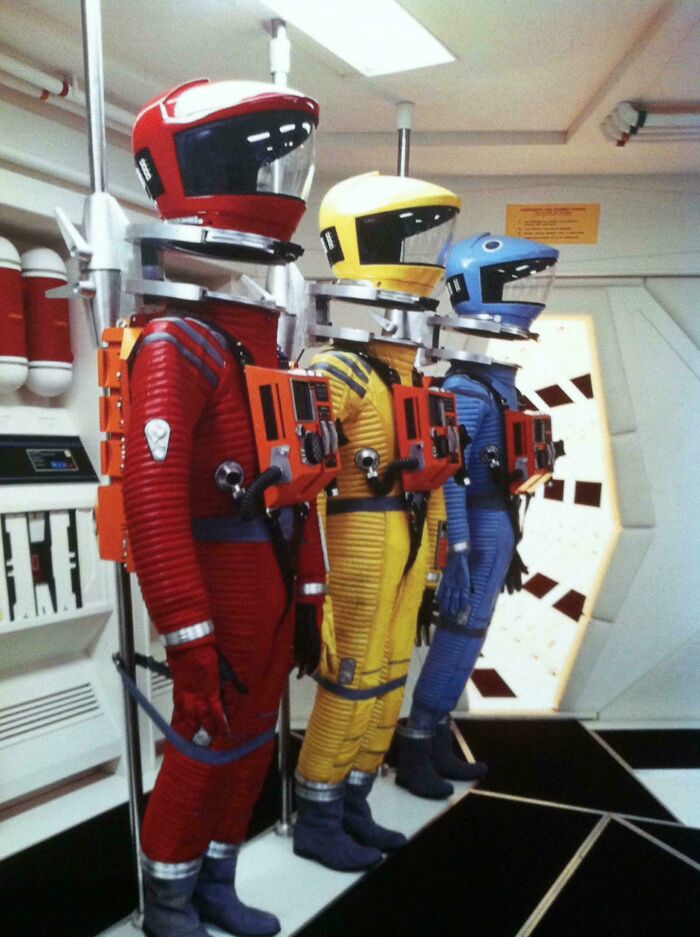
#21 Kombinezony „Odyssey” — 1968. Z filmu 2001: A Space Odyssey. Projekt: Harry Lange (współpracował z NASA i Wernherem von Braunem jako ilustrator)
Być może dlatego te wizje nadal przyciągają naszą uwagę. To migawki tego, co ludzie z różnych epok uważali za możliwe, ekscytujące, pożądane lub tuż za rogiem. Patrząc na nie dziś, widzimy zarówno przyszłość, którą wtedy wyobrażano sobie, jak i rzeczywistość, w której żyli.
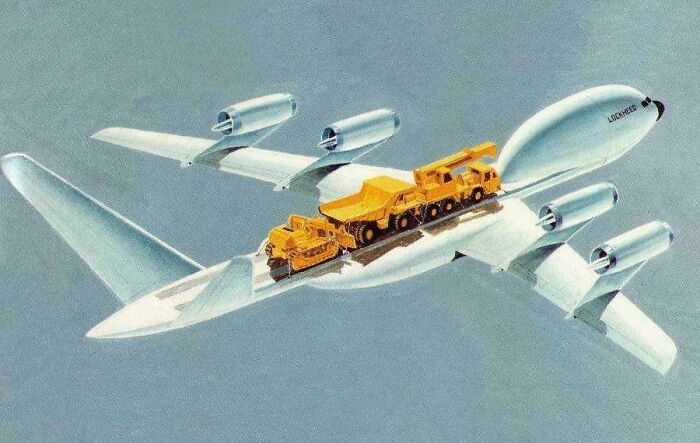
#22 „Lockheed Flatbed” — koncepcja z późnych lat 70.
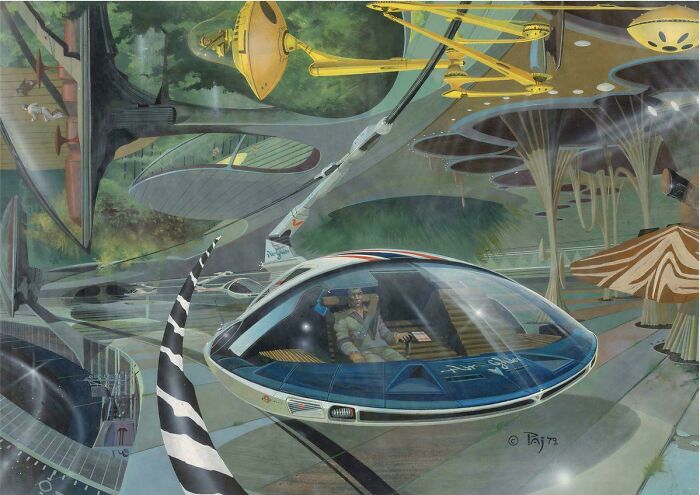
#23 „Trans-Space” — Peter Andrew Jones, 1979
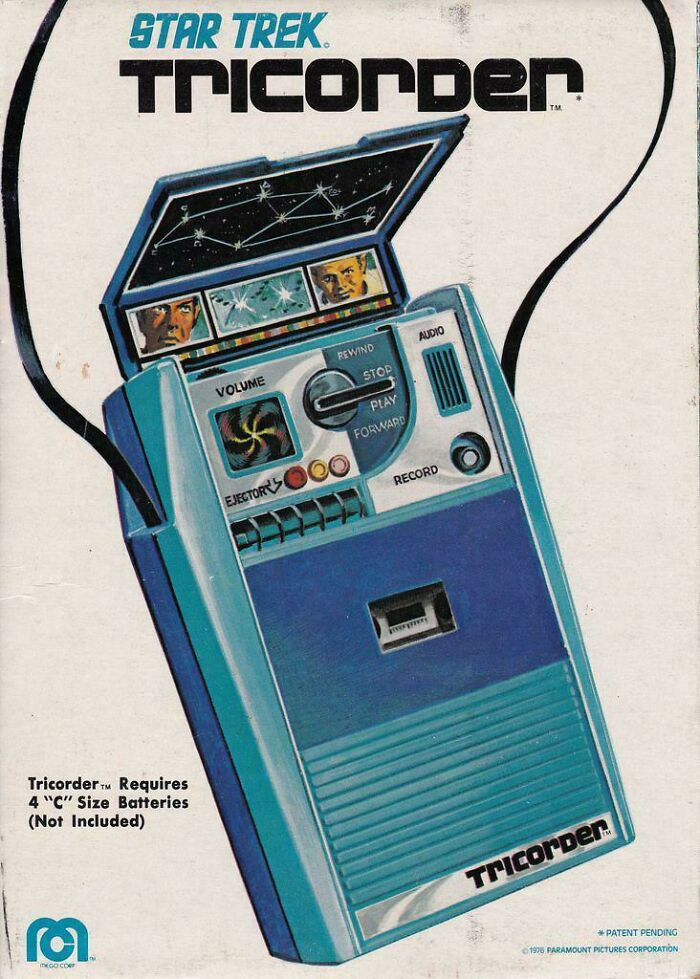
#24 Okładka pudełka Tricordera ze Star Treka — Mego Corp., 1975. Autor nieznany
Jak zauważa BBC: „Dziś tempo zmian jest tak niesamowicie szybkie, że trudno wyobrazić sobie przyszłość”. Może to część tego, co czyni te starsze wizje tak wciągającymi: przypominają czasy, gdy ludzie chętnie wyobrażali sobie jutro daleko wykraczające poza mniejszy telefon czy kolejną aktualizację znanej technologii. Kto wie — za kilka dekad ktoś spojrzy na nasze wizje jutra i stwierdzi, że niektóre były zaskakująco trafne, a inne uroczo nietrafione.
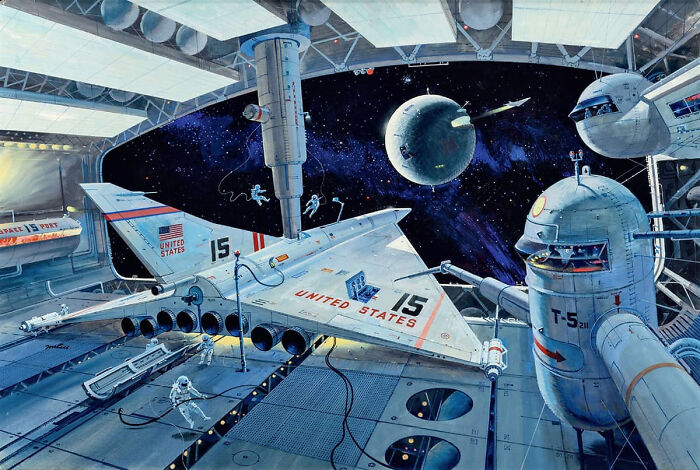
#25 Sztuka NASA — Robert McCall, 1964
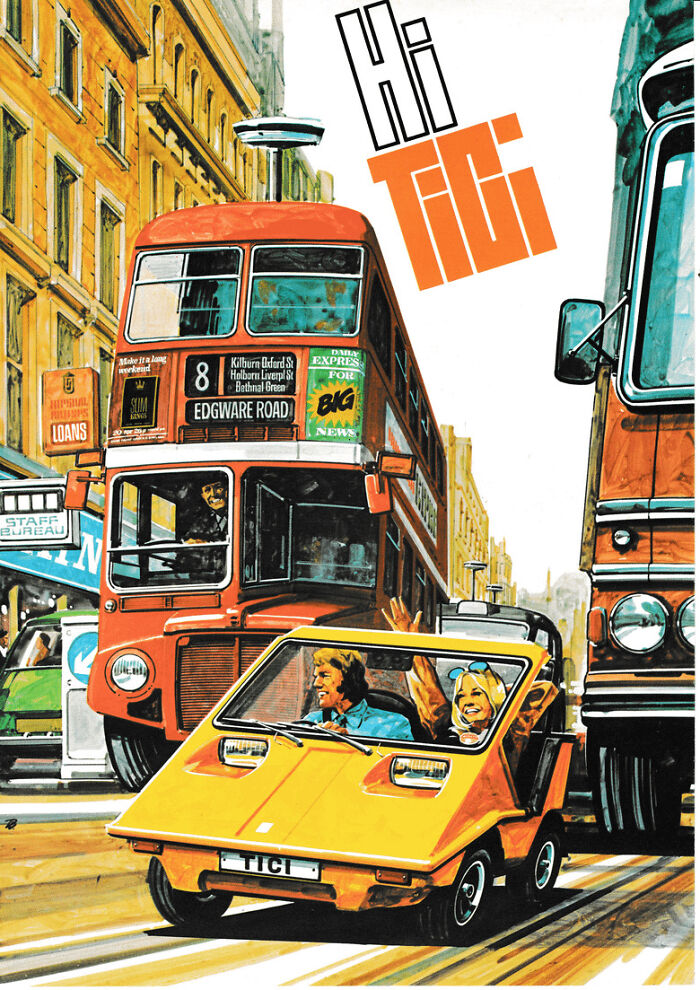
#26 Okładka broszury i ilustracje wnętrza brytyjskiego kit car Tici, 1972
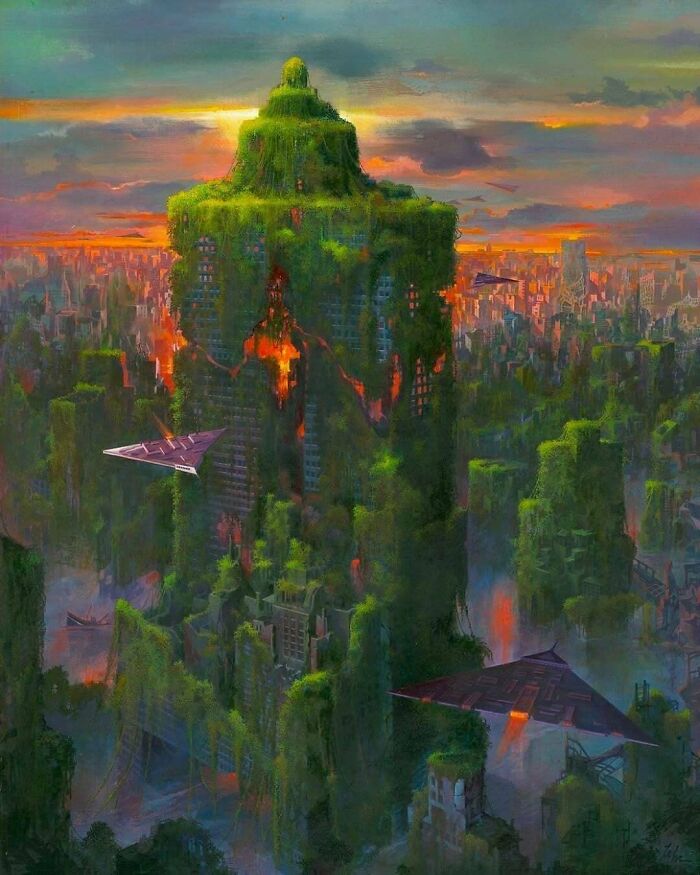
#27 Paul Lehr (1930–1998)
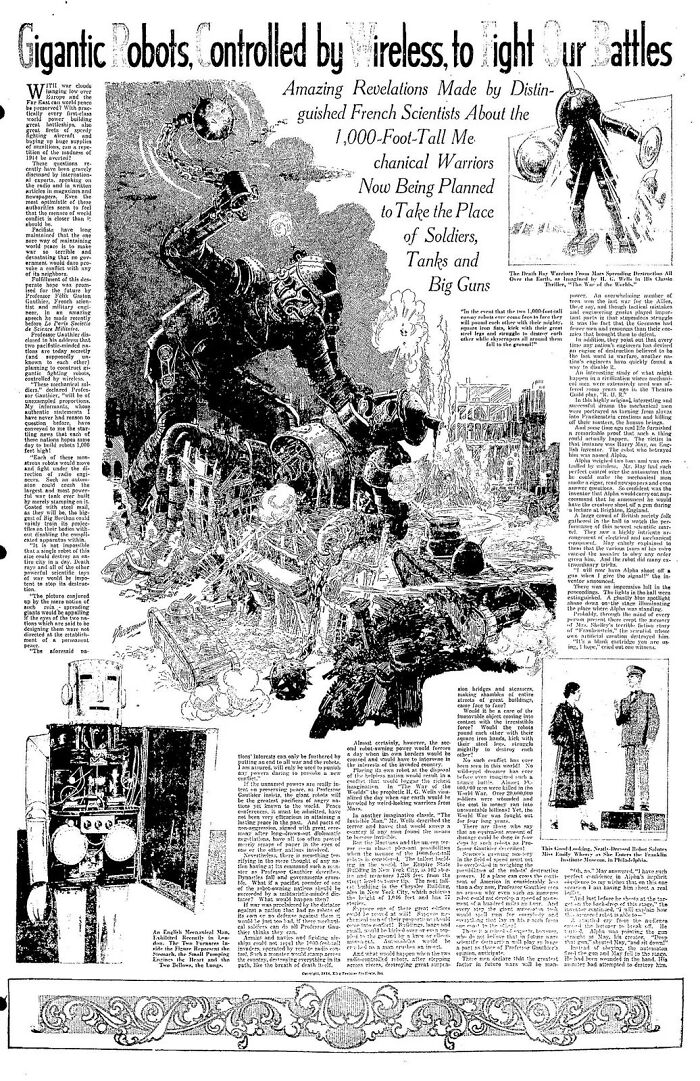
#28 „Olbrzymie roboty sterowane bezprzewodowo do walk” — Fresno Bee, 1904
#29 „Centralny plac bazy księżycowej” — Pat Rawlings, 1986
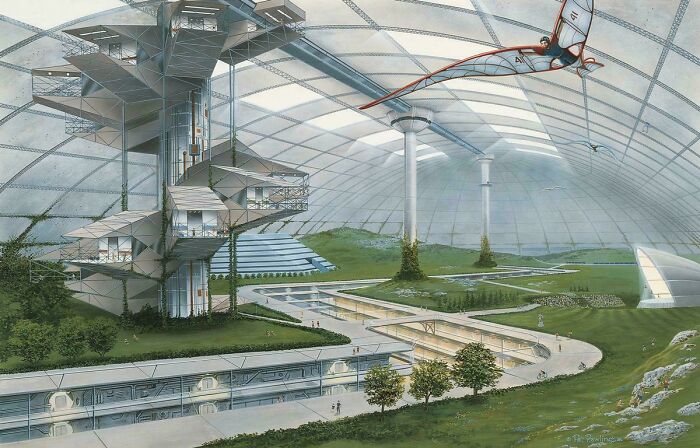
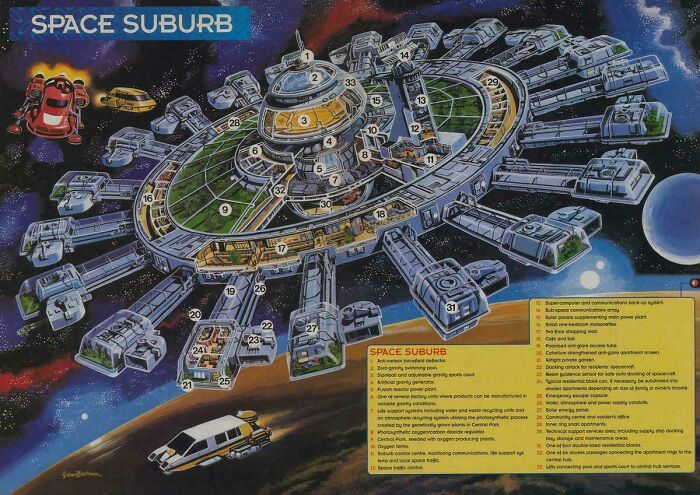
#30 Koncepcja „przedmieścia kosmicznego” — Graham Bleathman, 1995
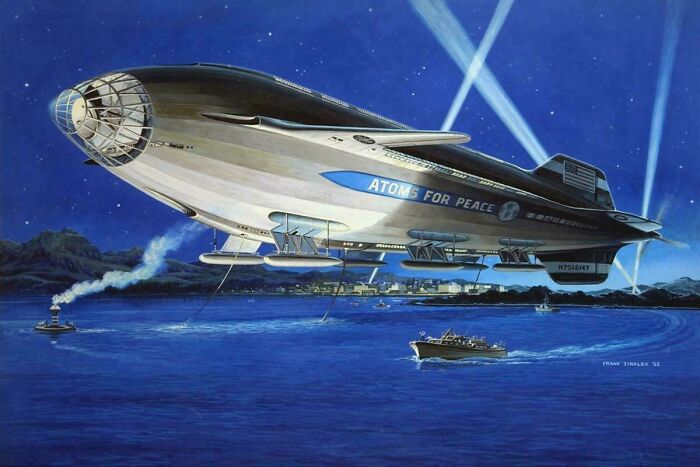
#31 „Atoms For Peace” — Frank Tinsley, 1956. Sterowiec napędzany energią jądrową
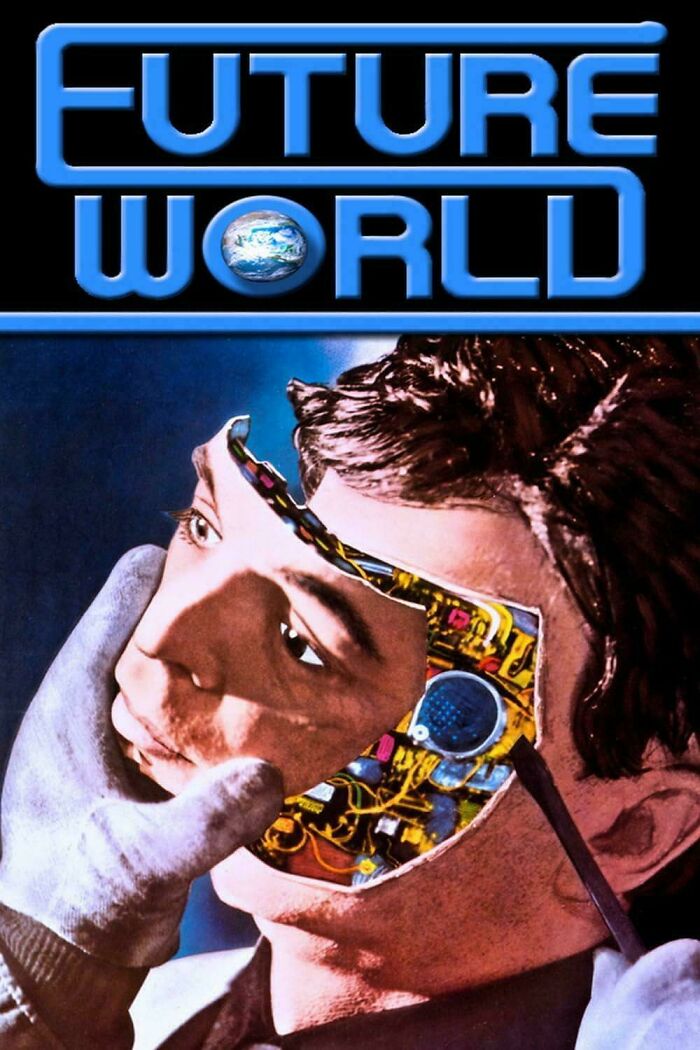
#32 Plakat filmu Futureworld — koncepcyjna grafika promocyjna, Drew Struzan, 1976
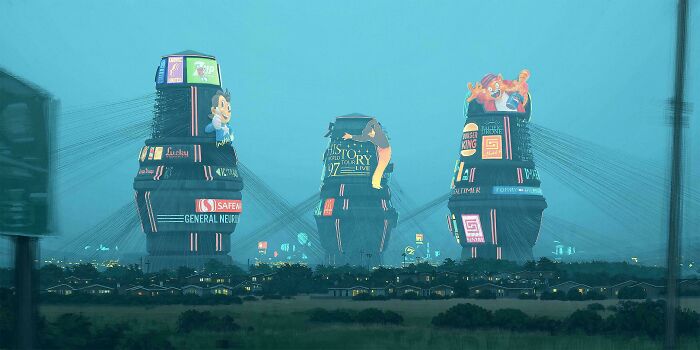
#33 „Pacific Breeze” — Simon Stålenhag z książki The Electric State
#34 Koncepcyjny „Flying Gyron” dla US Steel — 1961. Syd Mead
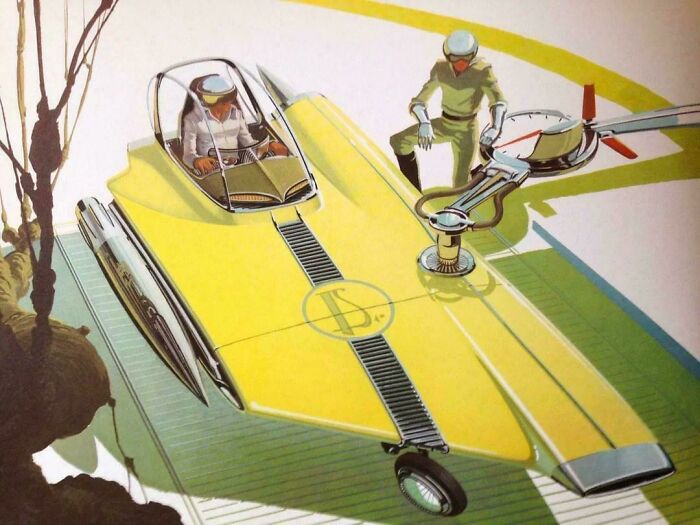
#35 „Samochód patrolu kosmicznego – Mahha” — okładka zestawu modelarskiego. Producent: Otaki. Artysta nieznany. Klasyczny japoński retrofuturyzm, 1968
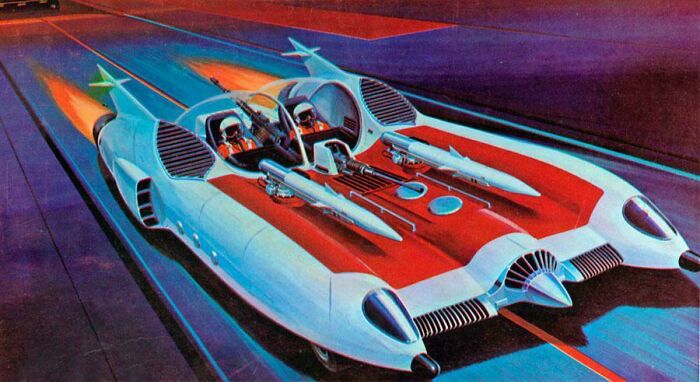
#36 Blade Runner — 1982. Koncept art Syd Mead — wnętrze latającego pojazdu policyjnego „Spinner”
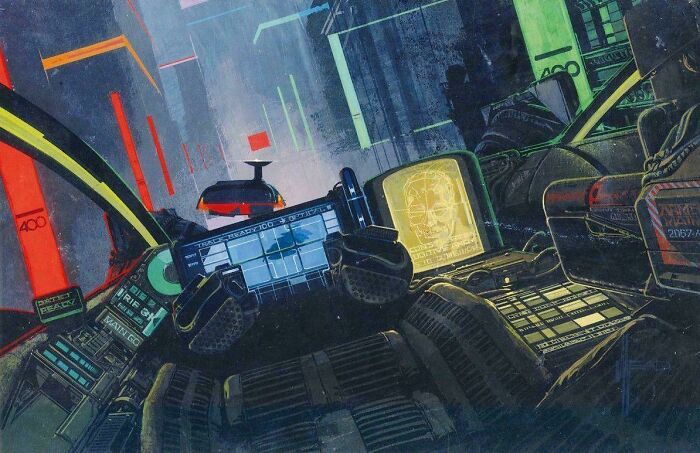
#37 Koncepty do filmu The Black Hole — 1979. Robert McCall
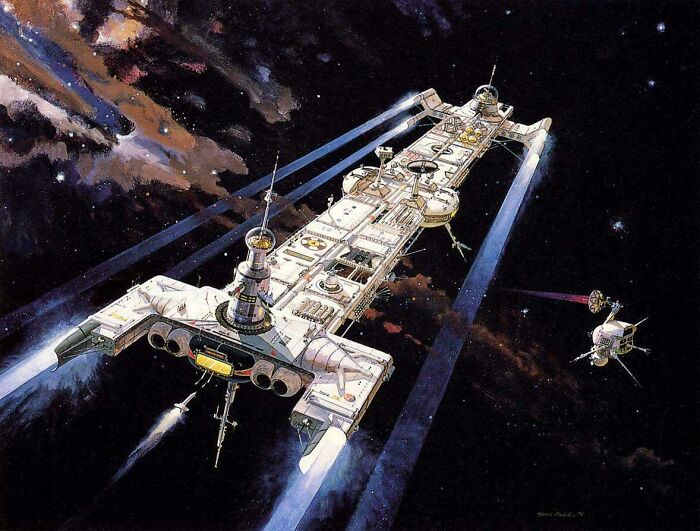
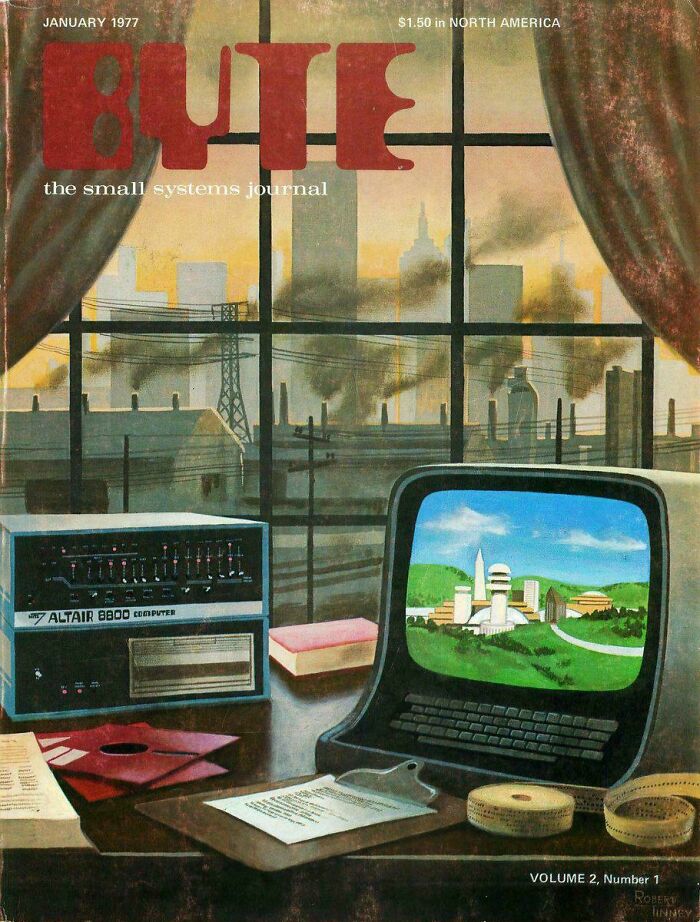
#38 Byte Magazine, 1977 — Robert Tinney
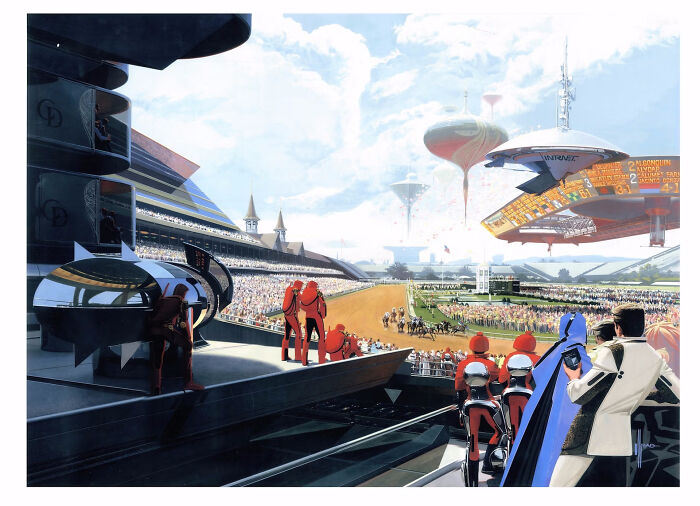
#39 „Bieg 200” — Kentucky Derby. Syd Mead, 1975
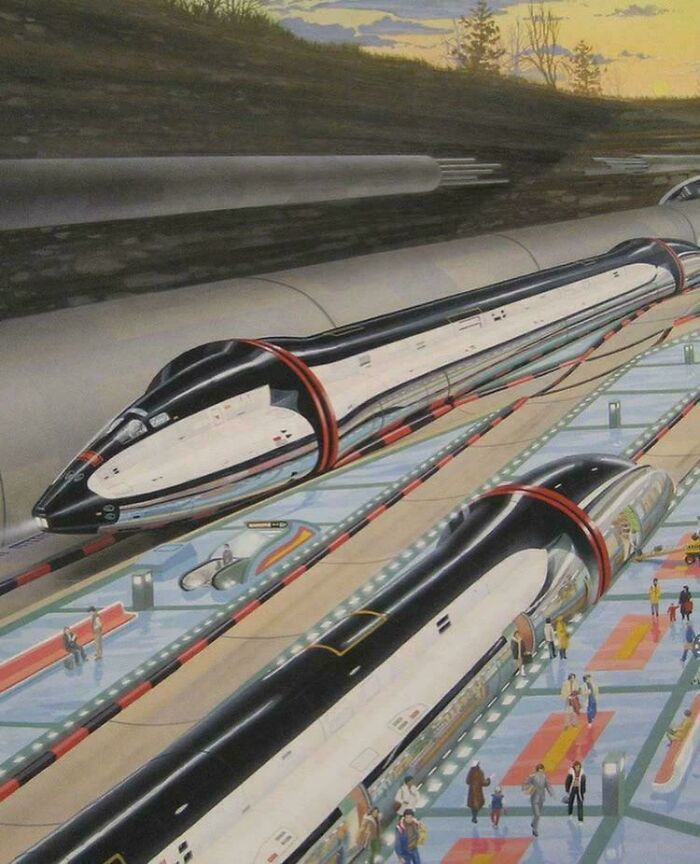
#40 „Pociąg kosmiczny” — David Schleinkofer, 1981, dla Science Digest
#41 R.A. Smith (1954)
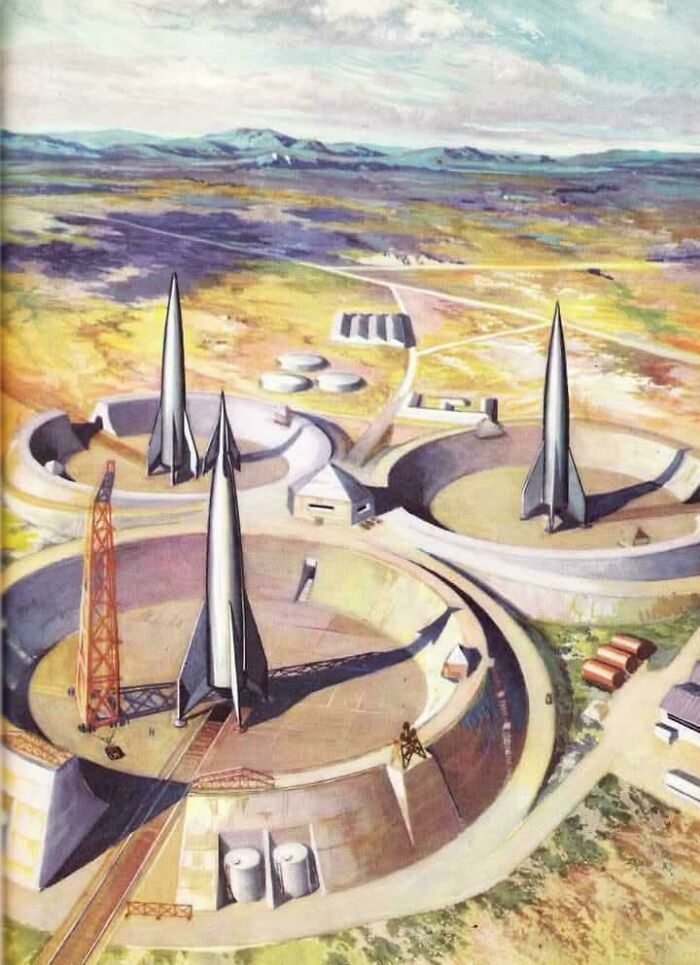
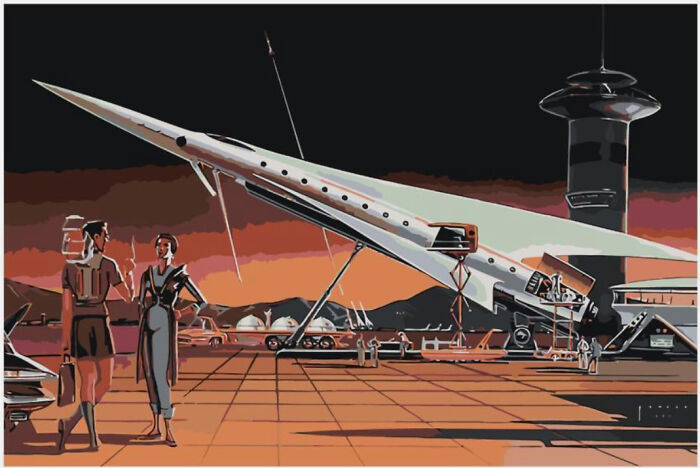
#42 „Port kosmiczny przyszłości” — James R. Powers, 1957
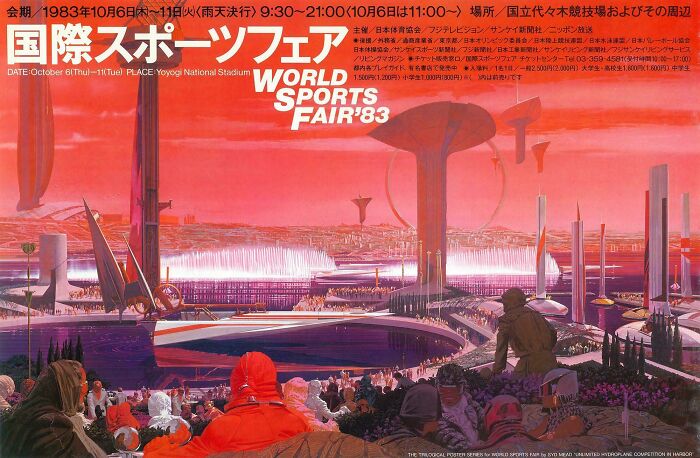
#43 „Wyścig łodzi w Zatoce Tokijskiej” — Syd Mead, 1983
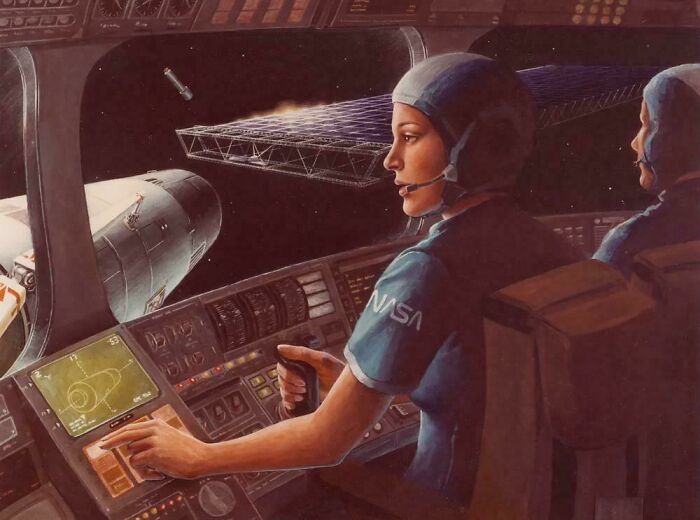
#44 Koncepcja NASA — 1976. Budowa satelitarnej elektrowni słonecznej
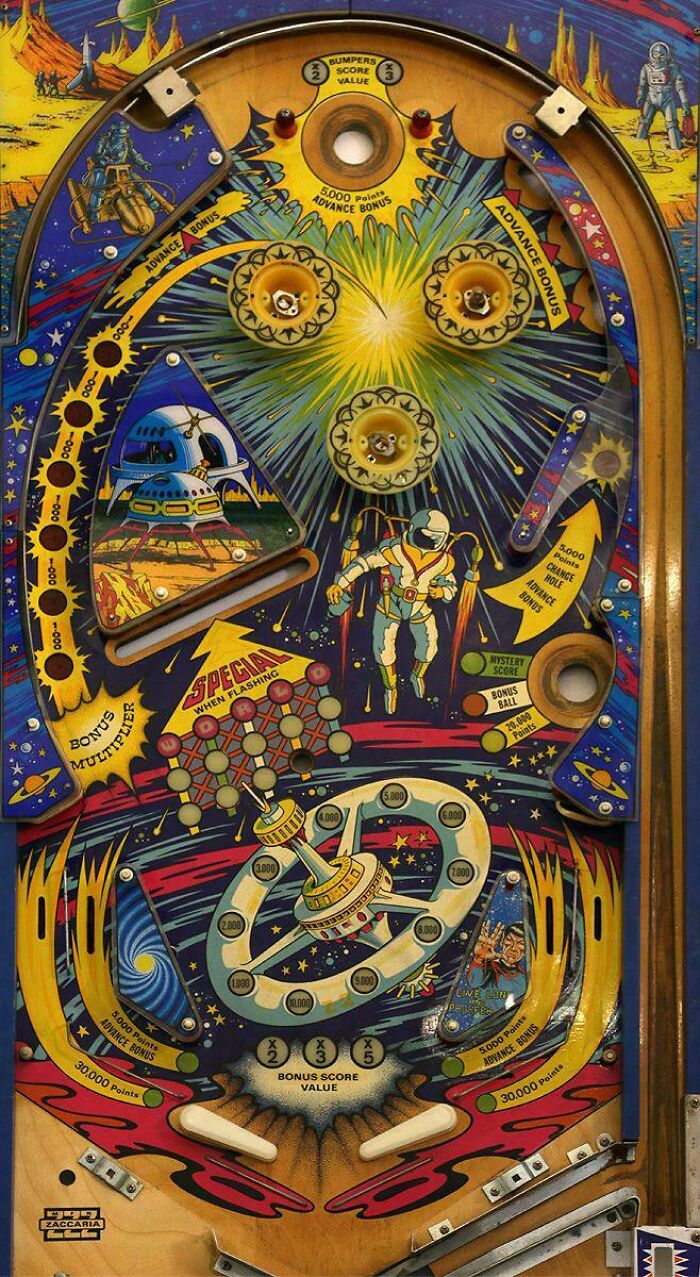
#45 Zaccaria „Future World” — pole do pinballa, 1978
#46 Fantastic Adventures — Frank R. Paul, 1940
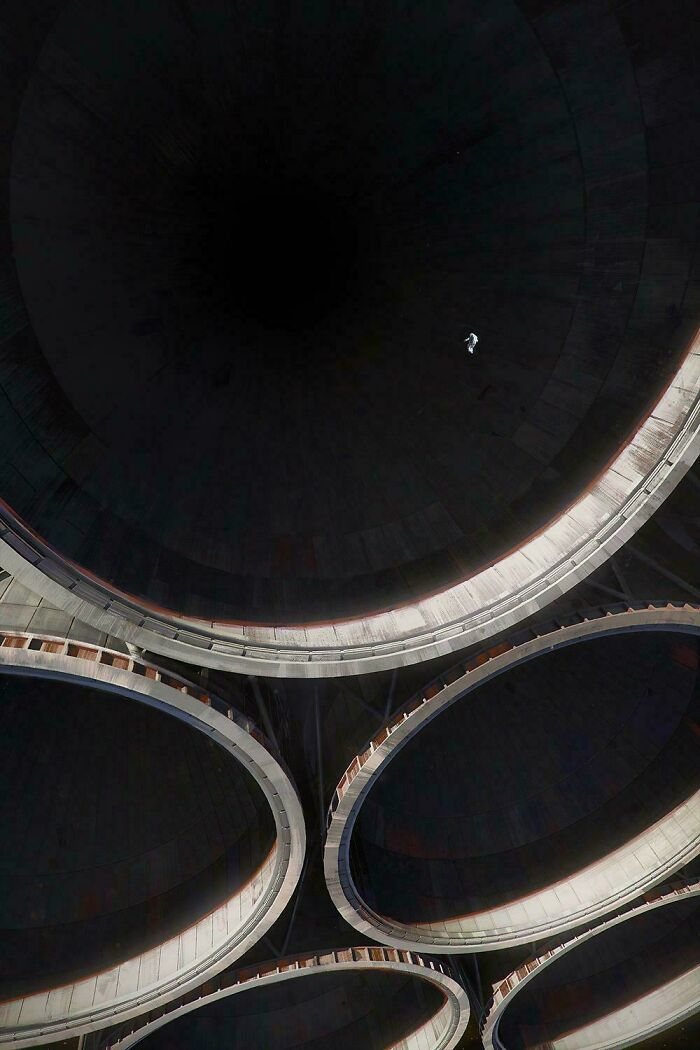
#47 „Engines” — Maciej Rebisz. Z wystawy „Space That Never Was”
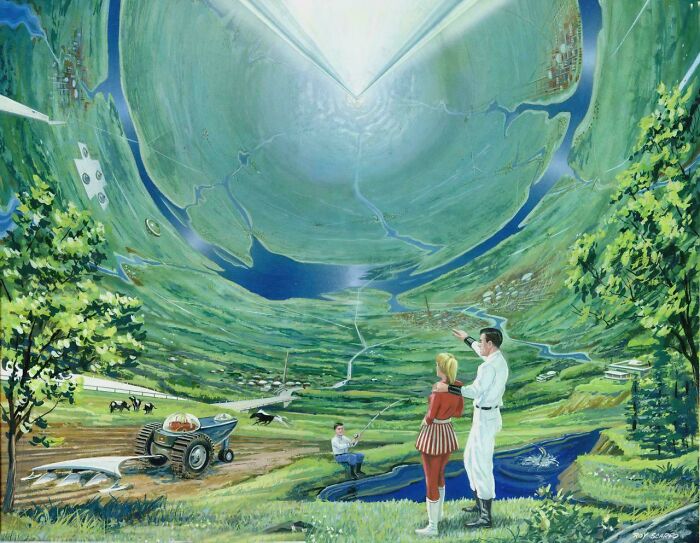
#48 Inside-Out World — Roy Scarfo
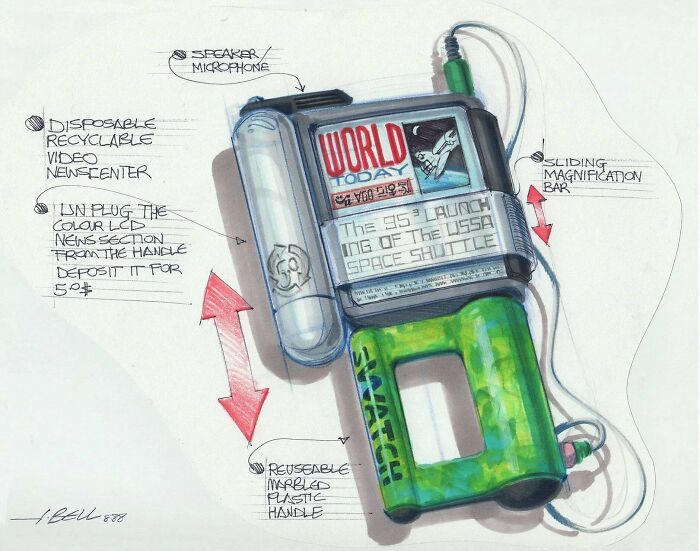
#49 Koncepty do Powrotu do przyszłości II — John Bell, 1989
#50 Koncept art dla US Steel — Syd Mead, 1969
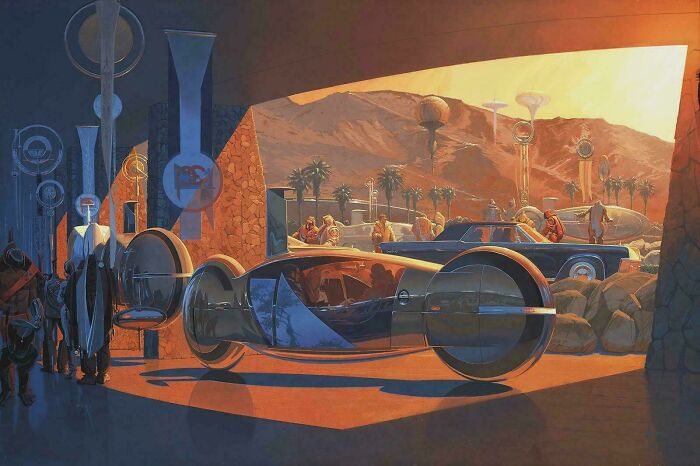
#51 Część atrakcji Epcot „Horizons” — Robert McCall
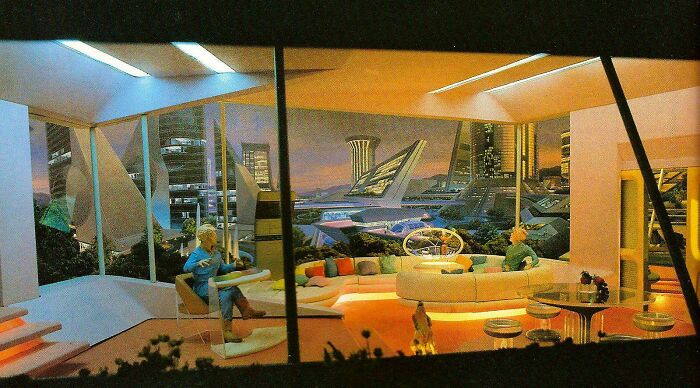
#52 David Schleinkofer — lata 70.
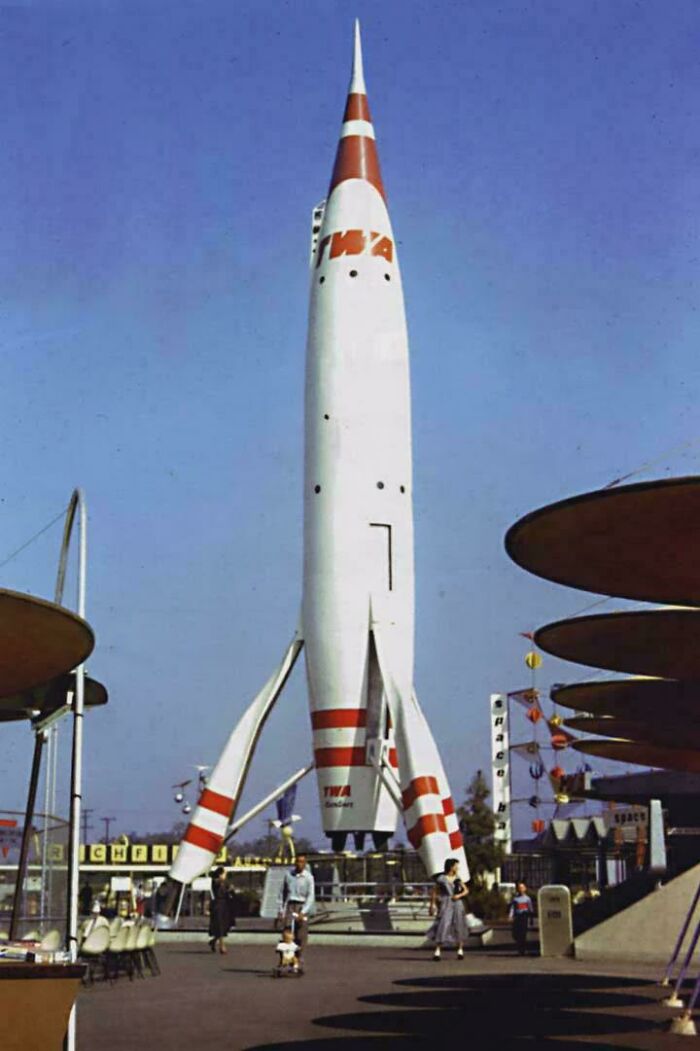
#53 TWA Moonliner w Disneyland — Tomorrowland, 1955. Jon Hench (reklamowane przez Wernhera von Brauna)
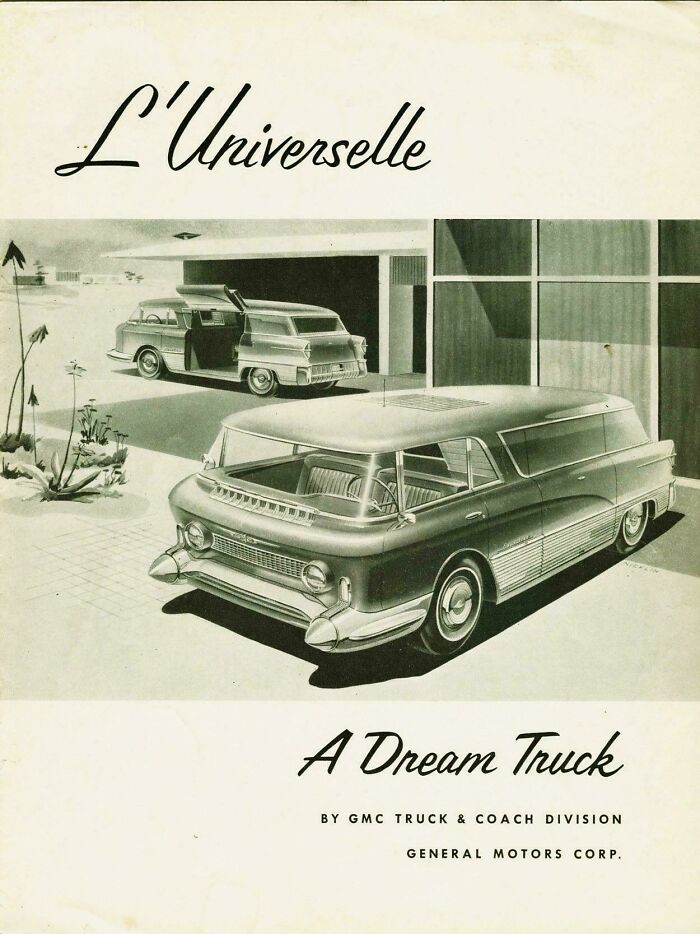
#54 GMC (1955)
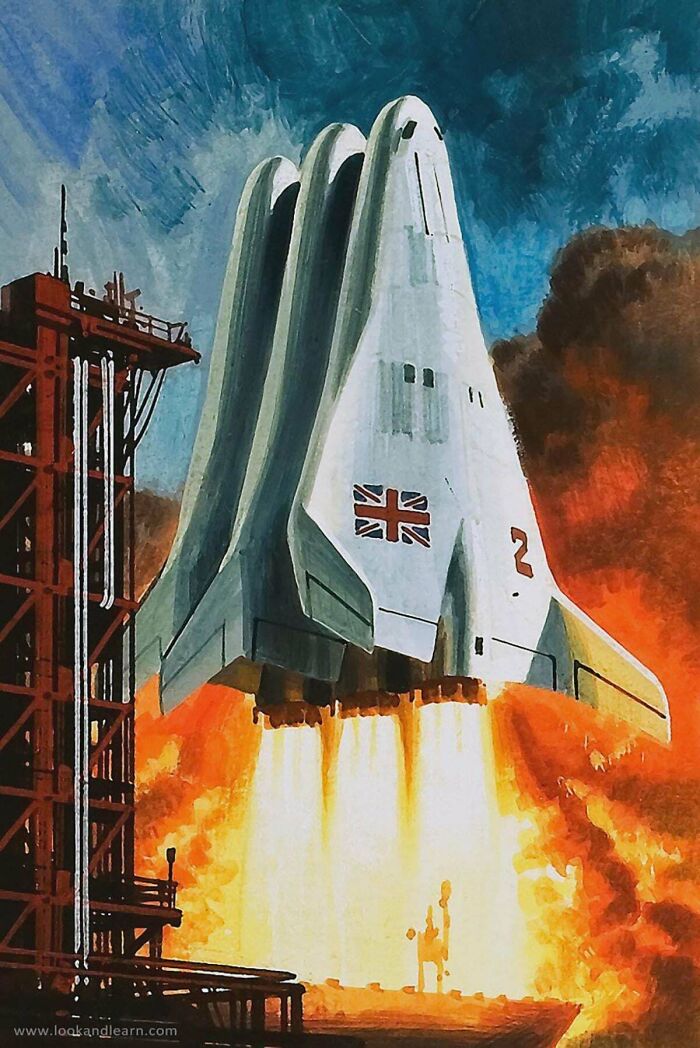
#55 Bac Mustard (wieloelementowy środek transportu i odzysku kosmicznego) — 1962
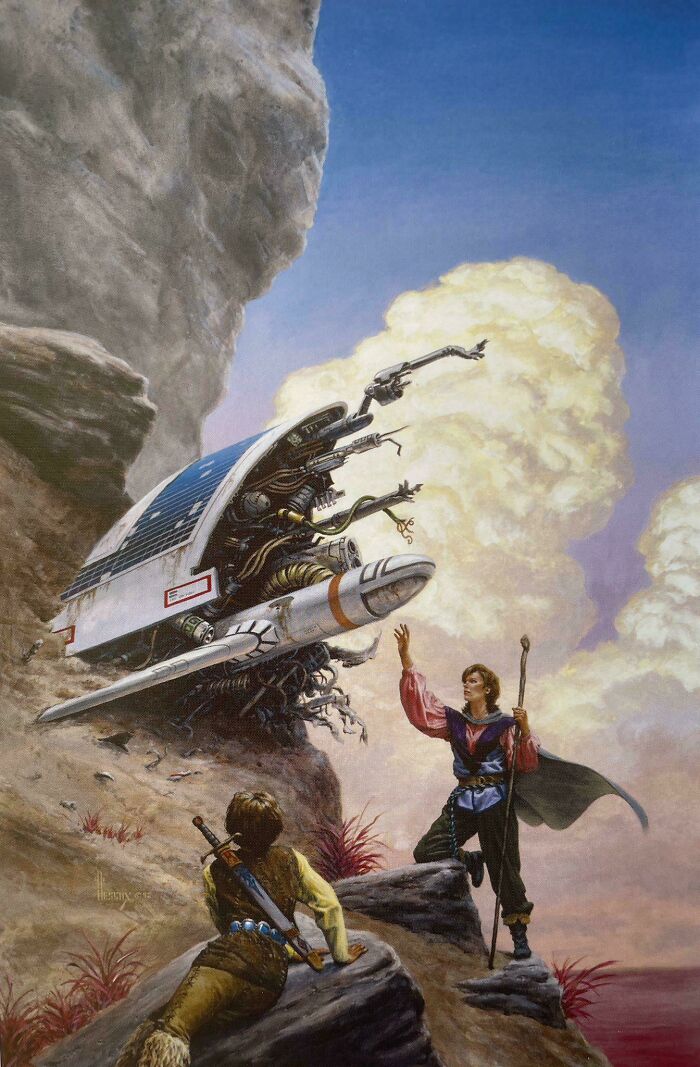
#56 Richard Hescox I
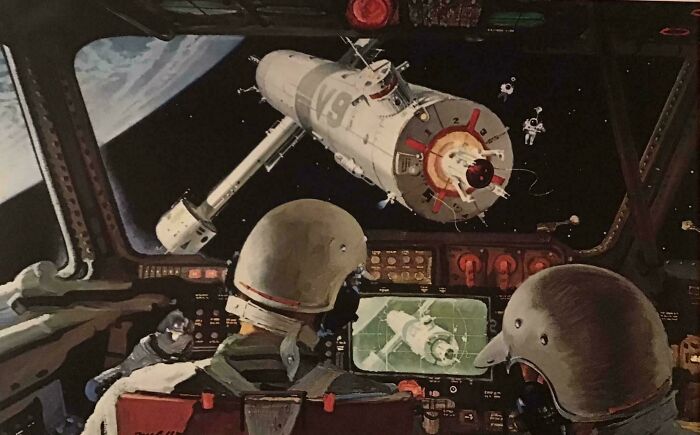
#57 „Shuttles At Work” — Robert McCall. Wyróżnione w książce Our World In Space, 1974
#58 Okładka Darrell K. Sweet do „Time For The Stars” Roberta A. Heinleina, 1978
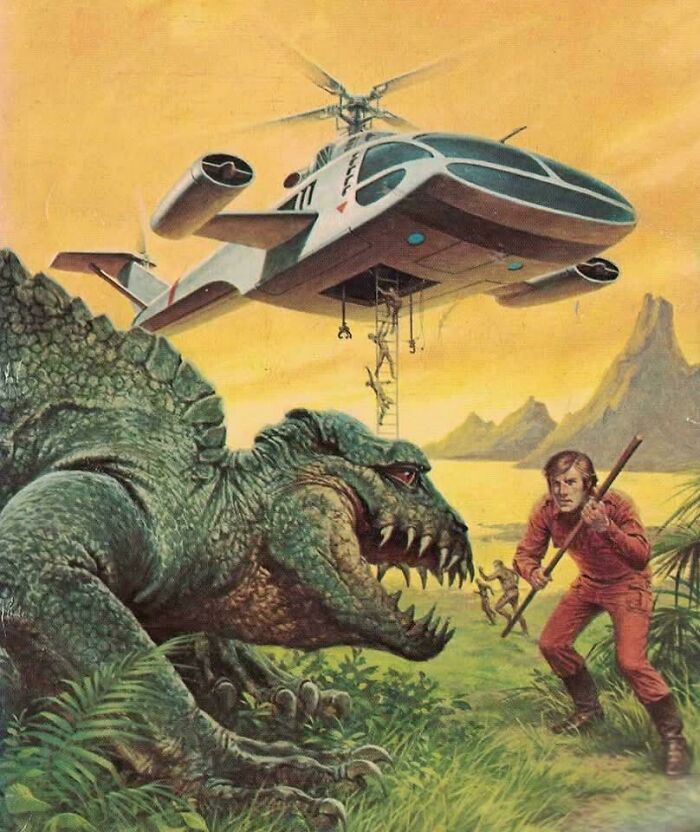
#59 „Exploring The Space Frontier” — Robert McCall, 1988
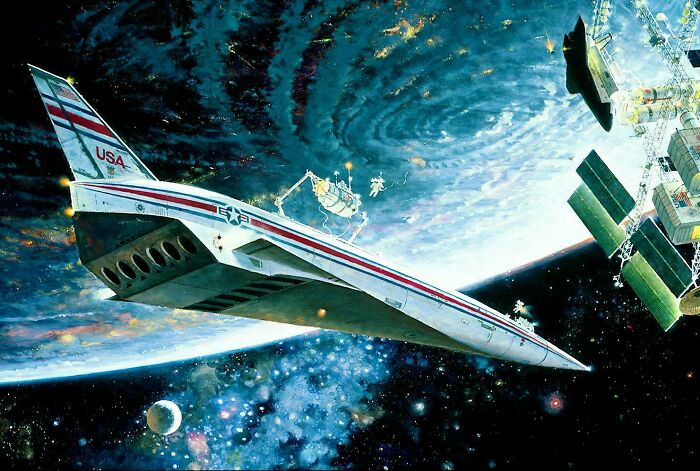
#60 „Discovery One” z 2001: A Space Odyssey — artysta: Oliver Rennert. Zamówione do książki o powstawaniu filmu Stanleya Kubricka
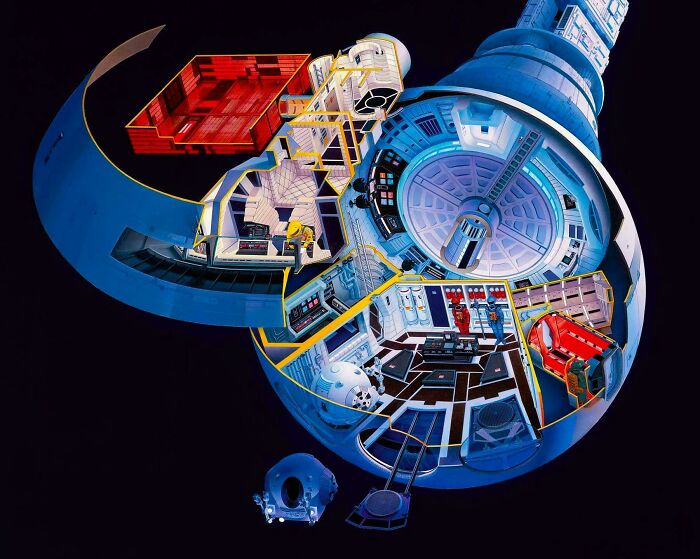
#61 „Drogi, które świecą!” — Arthur Radebaugh, 1964. Pierwotnie w reklamie drukowanej RCA dotyczącej tranzystorów
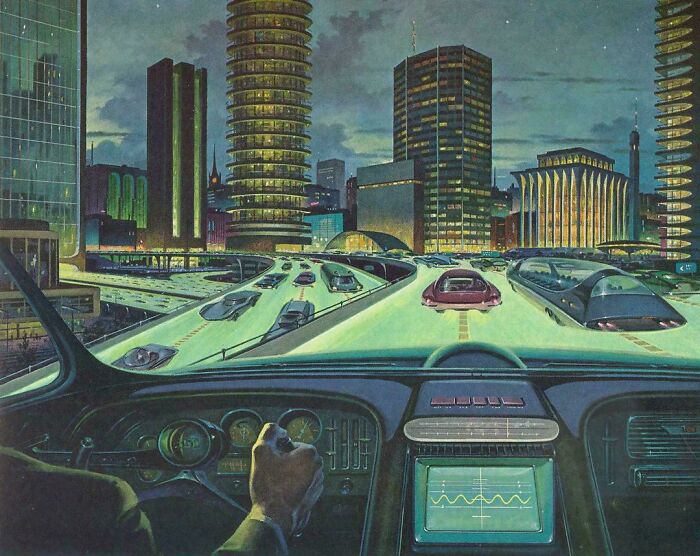
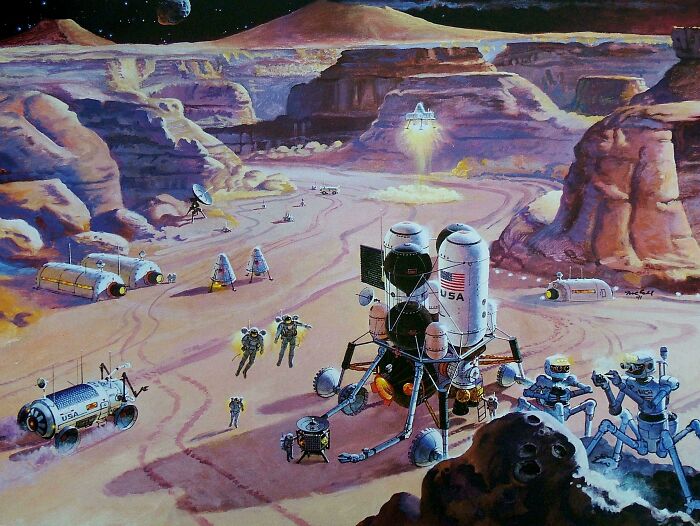
#62 „Kolejny pracowity dzień na Marsie” — Robert McCall, 1991
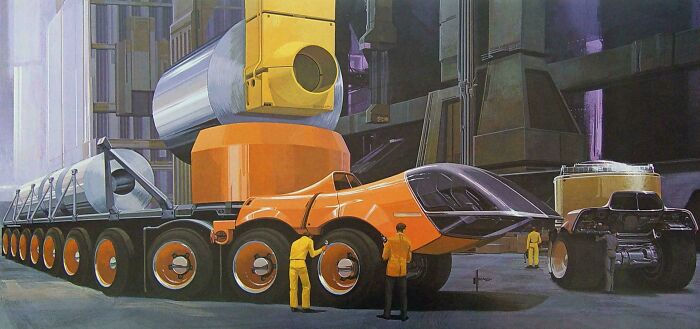
#63 „US Steel Print Series No.4” — koncepcja ciężarówki ładunkowej, 1967 — Syd Mead
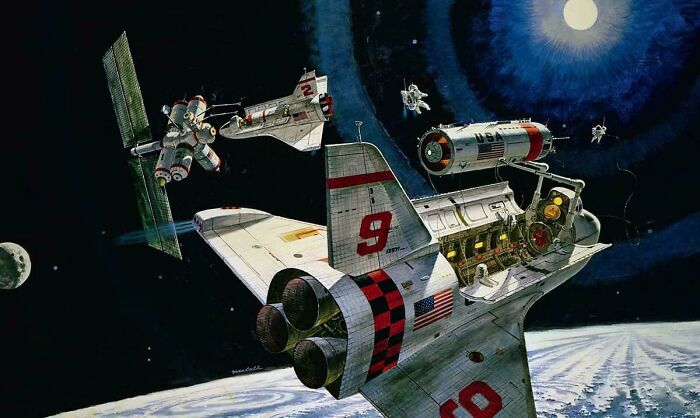
#64 Praca Roberta McCall do książki Isaaca Asimova „Our World In Space”, 1974
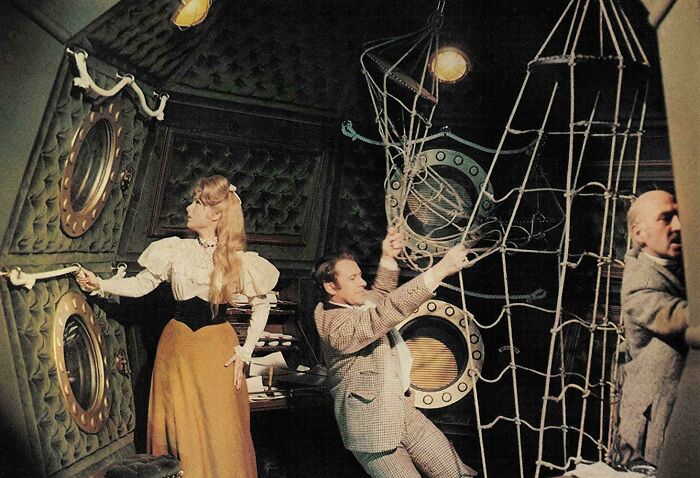
#65 Pierwsi na Księżycu (1964) — wnętrze statku kosmicznego Cavorite
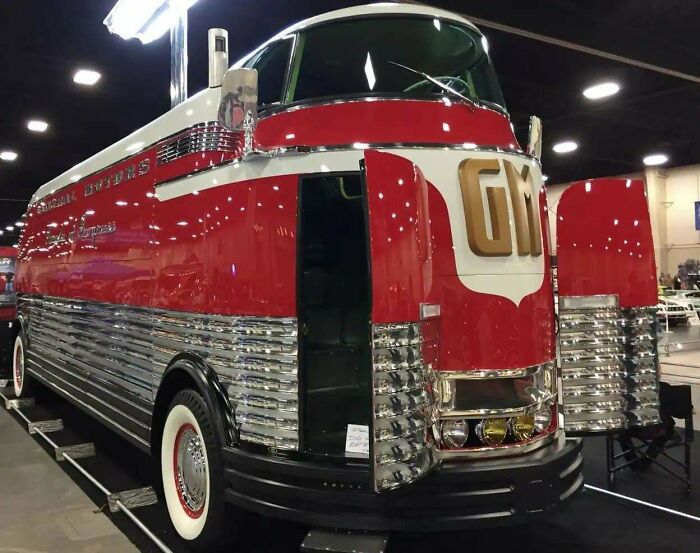
#66 GM Futureliner — autobus pokazowy 1939 — Harley Earl
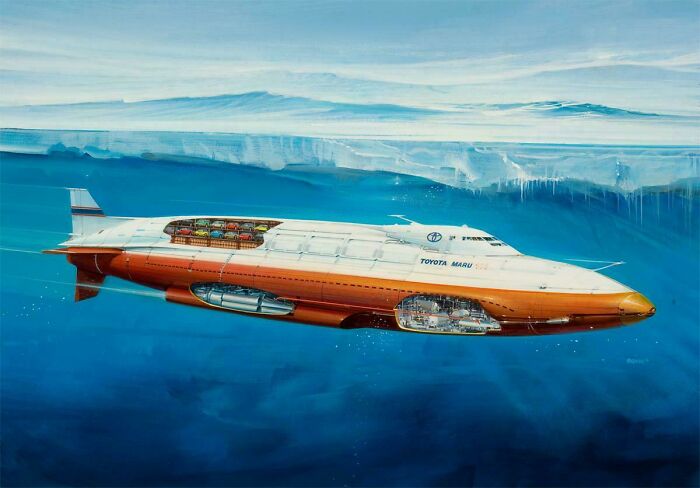
#67 Toyota Maru 144 — koncepcja podwodnego transportu ładunków — John Berkey, koniec lat 80.
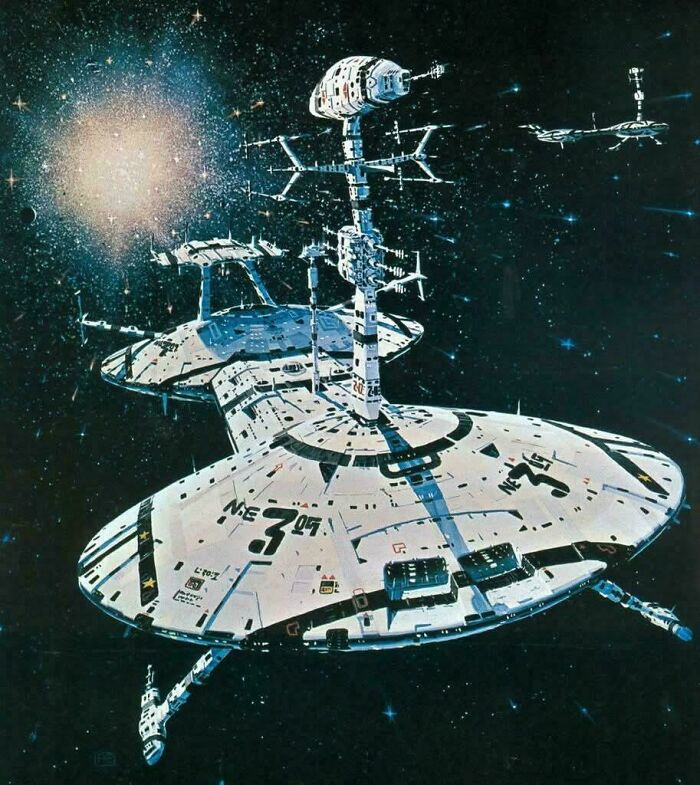
#68 Peter Elson
#69 McDonnell Douglas MD-2001 „Orient Express” — malowanie A.A., 1985. Artysta: Horonzak

#70 Steinwinter Supercargo 2040 — prototyp. Zaprezentowany na targach motoryzacyjnych we Frankfurcie, 1983

Technologie i estetyka przedstawione na tych ilustracjach są świadectwem nadziei, lęków i marzeń różnych epok. Niezależnie od tego, czy wizje te były trafne, czy nietrafione — pozostają fascynującym zapisem tego, jak ludzie kiedyś wyobrażali sobie jutro.
Reklama
Mogę się ujawnić wiekowo, ale nie mogę być jedyną osobą, która z sentymentem wspomina The Jetsons — futurystyczną kreskówkę z latającymi samochodami, robotycznymi gosposiami i, oczywiście, Astrem, mówiącym psem. Pamiętam, jak byłem zachwycony ich światem przyszłości, zwłaszcza myślą, że pewnego dnia naprawdę tak będziemy żyć. Jeśli wiesz, o co mi chodzi — albo jeśli kiedykolwiek urzekła cię jakaś fantastyczna wizja jutra — ta lista może być dla ciebie.
Zebraliśmy niektóre z najciekawszych wpisów z r/RetroFuturism, obejmujących dekady wizji tego, co przyniesie przyszłość. Niektóre były znacznie bliższe rzeczywistości, niż byś się spodziewał, inne przypominają, że przyszłość rzadko nadchodzi tak, jak ją sobie wyobrażaliśmy (niestety, wciąż czekam na mówiące psy). Tak czy inaczej, to fascynująca mieszanka nostalgii i wyobraźni.
#1 „Co to do diabła jest poczta elektroniczna?” — reklama Honeywell dotycząca e-maili, 1981
#2 „Pociąg kosmiczny” — Shigeru Komatsuzaki, 1981
#3 Stacja kosmiczna w budowie — Klaus Bürgle, ok. 1963
Retrofuturyzm polega zasadniczo na patrzeniu na przyszłość oczami przeszłości. W The Oxford Handbook of Science Fiction Elizabeth Guffey i Kate C. Lemay opisują go jako „ambiwalentne zafascynowanie przyszłością, która nigdy nie nadeszła”.
Subreddit r/RetroFuturism, założony w 2009 roku, określa się jako społeczność skupiona na „futurystycznych wizjach minionych epok”. Zwraca też uwagę, że posty „mogą zawierać współczesną sztukę o retrospektywistycznym charakterze”. I w tym rzecz: retrofuturyzm patrzy w obie strony. Nie ogranicza się tylko do wizji stworzonych w przeszłości — BBC opisuje go jako łączenie „dwóch nakładających się trendów: przyszłości widzianej z perspektywy przeszłości i przeszłości widzianej z perspektywy przyszłości”.
#4 Pojazdy przyszłości — magazyn Shonen Club, 1936
#5 Koncepcja „teledoktoringu” — Science And Invention In Pictures Magazine, 1954
#6 „Stacja kosmiczna” — Angus McKie, 1978
Termin „retrofuturyzm”, wyjaśniają Guffey i Lemay, został ukuty w latach 80., ale często kojarzy się z wizjami przyszłości pojawiającymi się na przełomie i w połowie XX wieku. Był to okres przemian — gwałtownego wzrostu przemysłowego, konfliktów globalnych i szybkich zmian technologicznych. Biorąc pod uwagę np. wielki kryzys lat 30. i II wojnę światową, nie dziwi, że wtedy „idee przyszłości zaczęły kierować się ku niebu i przestrzeni kosmicznej”.
#7 „Japońska utopia” („Idealne miasto przyszłości”) — Tatsushi Morimoto, 1984
#8 Reklama Otis Elevator Co., 1975 — John Berkey
#9 „Londyn w roku 2500” — reklama z lat 20. XX wieku
Retrofuturyzm pokazuje nie tylko to, co ludzie z wcześniejszych epok wyobrażali sobie jako przyszłość, ale także dużo mówi o ich teraźniejszości. Każde pokolenie nieuchronnie wyobraża przyszłość z perspektywy własnego „tu i teraz”. Technologia, którą znali, wygląd miast, tematy, które ich ekscytowały, a nawet problemy, które mieli nadzieję rozwiązać — wszystko to wpływało na wyobrażenia o przyszłości. Dlatego wizja przyszłości z lat 30. może wyglądać zupełnie inaczej niż ta stworzona kilkadziesiąt lat później.
#10 Podpowierzchniowa kolonia księżycowa — Robert McCall, ok. 1977
#11 Jean Giraud znany jako Moebius (Francja, 1938–2012) — Starwatcher
#12 Les Edwards (ur. 1949, Wielka Brytania) — „Night Flight”
Technologia przedstawiona na obrazach — jak robotyczne gosposie czy osobiste plecaki odrzutowe — to tylko część tego, co czyni te wizje charakterystycznymi. Sposób prezentacji był silnie ukształtowany przez epokę: futurystyczne budynki, pojazdy, gadżety, ubrania, a nawet elementy estetyczne jak typografia i kolory czerpały z ówczesnych trendów, tworząc niepowtarzalne połączenie znanego i fantastycznego, które dziś kojarzymy z retrofuturyzmem.
#13 Aldebaran Nuclear Pulse Jet / koncepcja SSTO Spaceplane — Dandridge Cole. Ilustracja: Roy Kerswill, 1965
#14 „Buergle Verkehr 1969” — Klaus Bürgle
#15 „Odloty jutra” — reklamy New Departure Ball Bearings, 1955
To także kolejny powód, dla którego warto dziś oglądać te obrazy. Jak mówi jedno źródło, retrofuturyzm „stawia wczorajsze rakiety, opływowe miasta, świecące konsole, syntetyczne ubrania i optymizm maszyn obok wiedzy o tym, co faktycznie się wydarzyło”. Mamy lukę poznawczą — wiemy, jak potoczyła się historia. Niektóre wizje były zaskakująco trafne — wideorozmowy, komputery osobiste, loty kosmiczne, automatyzacja domów. Inne wciąż pozostają poza naszym zasięgiem — nie zbudowaliśmy miast na Księżycu ani nie zapełniliśmy nieba latającymi samochodami.
#16 Pokój do gier na bazie księżycowej — Paul Alexander, 1960
#17 Koncepcyjne wizje kolonii kosmicznej dla NASA — połowa lat 70.
#18 Yasutaro Mitsui ze swoim stalowym humanoidalnym robotem — Tokio, Japonia, 1932
Jak podaje BBC: „To w szczelinie między tymi wielkimi wizjami a rzeczywistością retrofuturyzm istnieje w sposób grywalny”. W tej przestrzeni pojawia się ambiwalencja, o której wspominały Guffey i Lemay — „emocjonalne i wizualne tarcie między obiecaną jutrami a teraźniejszością, która je odziedziczyła”. Możemy podziwiać pewność i optymizm tych wizji, a jednocześnie znać rzeczywistość, włącznie z założeniami, ślepymi zaułkami i niezamierzonymi konsekwencjami, które im towarzyszyły.
#19 Plakat reklamowy „Wojny światów” z Brazylii, 1906 — artysta: Henrique Alvim Corrêa
#20 „Space Colony II” — Shigeru Komatsuzaki, 1980
#21 Kombinezony „Odyssey” — 1968. Z filmu 2001: A Space Odyssey. Projekt: Harry Lange (współpracował z NASA i Wernherem von Braunem jako ilustrator)
Być może dlatego te wizje nadal przyciągają naszą uwagę. To migawki tego, co ludzie z różnych epok uważali za możliwe, ekscytujące, pożądane lub tuż za rogiem. Patrząc na nie dziś, widzimy zarówno przyszłość, którą wtedy wyobrażano sobie, jak i rzeczywistość, w której żyli.
#22 „Lockheed Flatbed” — koncepcja z późnych lat 70.
#23 „Trans-Space” — Peter Andrew Jones, 1979
#24 Okładka pudełka Tricordera ze Star Treka — Mego Corp., 1975. Autor nieznany
Jak zauważa BBC: „Dziś tempo zmian jest tak niesamowicie szybkie, że trudno wyobrazić sobie przyszłość”. Może to część tego, co czyni te starsze wizje tak wciągającymi: przypominają czasy, gdy ludzie chętnie wyobrażali sobie jutro daleko wykraczające poza mniejszy telefon czy kolejną aktualizację znanej technologii. Kto wie — za kilka dekad ktoś spojrzy na nasze wizje jutra i stwierdzi, że niektóre były zaskakująco trafne, a inne uroczo nietrafione.
#25 Sztuka NASA — Robert McCall, 1964
#26 Okładka broszury i ilustracje wnętrza brytyjskiego kit car Tici, 1972
#27 Paul Lehr (1930–1998)
#28 „Olbrzymie roboty sterowane bezprzewodowo do walk” — Fresno Bee, 1904
#29 „Centralny plac bazy księżycowej” — Pat Rawlings, 1986
#30 Koncepcja „przedmieścia kosmicznego” — Graham Bleathman, 1995
#31 „Atoms For Peace” — Frank Tinsley, 1956. Sterowiec napędzany energią jądrową
#32 Plakat filmu Futureworld — koncepcyjna grafika promocyjna, Drew Struzan, 1976
#33 „Pacific Breeze” — Simon Stålenhag z książki The Electric State
#34 Koncepcyjny „Flying Gyron” dla US Steel — 1961. Syd Mead
#35 „Samochód patrolu kosmicznego – Mahha” — okładka zestawu modelarskiego. Producent: Otaki. Artysta nieznany. Klasyczny japoński retrofuturyzm, 1968
#36 Blade Runner — 1982. Koncept art Syd Mead — wnętrze latającego pojazdu policyjnego „Spinner”
#37 Koncepty do filmu The Black Hole — 1979. Robert McCall
#38 Byte Magazine, 1977 — Robert Tinney
#39 „Bieg 200” — Kentucky Derby. Syd Mead, 1975
#40 „Pociąg kosmiczny” — David Schleinkofer, 1981, dla Science Digest
#41 R.A. Smith (1954)
#42 „Port kosmiczny przyszłości” — James R. Powers, 1957
#43 „Wyścig łodzi w Zatoce Tokijskiej” — Syd Mead, 1983
#44 Koncepcja NASA — 1976. Budowa satelitarnej elektrowni słonecznej
#45 Zaccaria „Future World” — pole do pinballa, 1978
#46 Fantastic Adventures — Frank R. Paul, 1940
#47 „Engines” — Maciej Rebisz. Z wystawy „Space That Never Was”
#48 Inside-Out World — Roy Scarfo
#49 Koncepty do Powrotu do przyszłości II — John Bell, 1989
#50 Koncept art dla US Steel — Syd Mead, 1969
#51 Część atrakcji Epcot „Horizons” — Robert McCall
#52 David Schleinkofer — lata 70.
#53 TWA Moonliner w Disneyland — Tomorrowland, 1955. Jon Hench (reklamowane przez Wernhera von Brauna)
#54 GMC (1955)
#55 Bac Mustard (wieloelementowy środek transportu i odzysku kosmicznego) — 1962
#56 Richard Hescox I
#57 „Shuttles At Work” — Robert McCall. Wyróżnione w książce Our World In Space, 1974
#58 Okładka Darrell K. Sweet do „Time For The Stars” Roberta A. Heinleina, 1978
#59 „Exploring The Space Frontier” — Robert McCall, 1988
#60 „Discovery One” z 2001: A Space Odyssey — artysta: Oliver Rennert. Zamówione do książki o powstawaniu filmu Stanleya Kubricka
#61 „Drogi, które świecą!” — Arthur Radebaugh, 1964. Pierwotnie w reklamie drukowanej RCA dotyczącej tranzystorów
#62 „Kolejny pracowity dzień na Marsie” — Robert McCall, 1991
#63 „US Steel Print Series No.4” — koncepcja ciężarówki ładunkowej, 1967 — Syd Mead
#64 Praca Roberta McCall do książki Isaaca Asimova „Our World In Space”, 1974
#65 Pierwsi na Księżycu (1964) — wnętrze statku kosmicznego Cavorite
#66 GM Futureliner — autobus pokazowy 1939 — Harley Earl
#67 Toyota Maru 144 — koncepcja podwodnego transportu ładunków — John Berkey, koniec lat 80.
#68 Peter Elson
#69 McDonnell Douglas MD-2001 „Orient Express” — malowanie A.A., 1985. Artysta: Horonzak
#70 Steinwinter Supercargo 2040 — prototyp. Zaprezentowany na targach motoryzacyjnych we Frankfurcie, 1983
Technologie i estetyka przedstawione na tych ilustracjach są świadectwem nadziei, lęków i marzeń różnych epok. Niezależnie od tego, czy wizje te były trafne, czy nietrafione — pozostają fascynującym zapisem tego, jak ludzie kiedyś wyobrażali sobie jutro.
 Polub nas →